


Planning a house extension is one of the most effective ways to add value to your home while creating more living space for your family. A well-designed extension can increase your property’s value by as much as 15%, and it is a good alternative to the stress of moving house. That said, the process can still feel overwhelming without the right guidance.
If you are wondering where to start, this guide walks you through the key stages of planning a house extension, from design and permissions to building and interiors.
How Do You Plan a House Extension?
Plan a house extension in stages: start with an architect or designer to draw up plans that meet building regulations, confirm whether you need planning permission, find a trusted builder and consider a project manager to keep the build on track, then plan the interiors so the new space feels part of the home. Getting the design and permissions right before any building begins is what keeps an extension on budget and out of trouble.
Work with an Architect
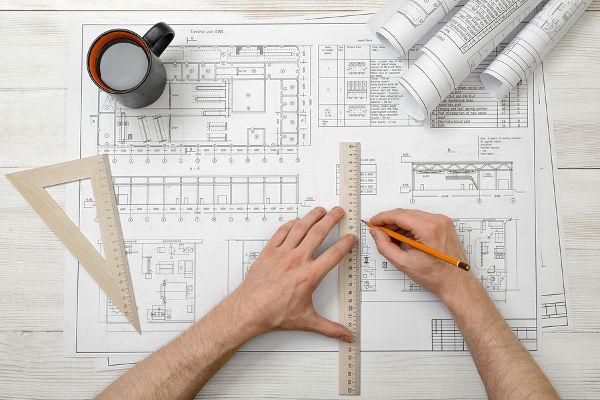
Choosing the right architect is one of the most important steps in your project. An architect designs your extension around your needs while making sure all plans comply with building regulations. They can also make the most of your space, offer creative solutions and recommend reliable builders.
Architect fees are usually around 15% of the project cost, so it is important to factor this into your budget. As a rough guide, a 4m x 6m extension typically costs between £26,000 and £34,000.
Building Regulations Are Essential

Even if planning permission is not required, your extension must still meet building regulations. This makes sure the work is safe, structurally sound and compliant with fire safety standards. Make sure any builders or contractors are registered, or that they liaise with local building control officers to certify their work.
Find a Trusted Builder

The success of your extension depends on hiring a reliable builder. Start by checking online reviews, ask to see examples of their work and confirm they are registered with the relevant trade bodies. It is also wise to check their warranty policies to protect your investment. Choosing a builder on price alone is one of the most common extension mistakes, so weigh the quote against references and quality of work.
Consider a Project Manager
In many cases, the architect or lead builder acts as the project manager. You may, though, choose to hire additional support to oversee the process. A project manager keeps the build on schedule, within budget and running smoothly from start to finish.
Don’t Forget Interior Design
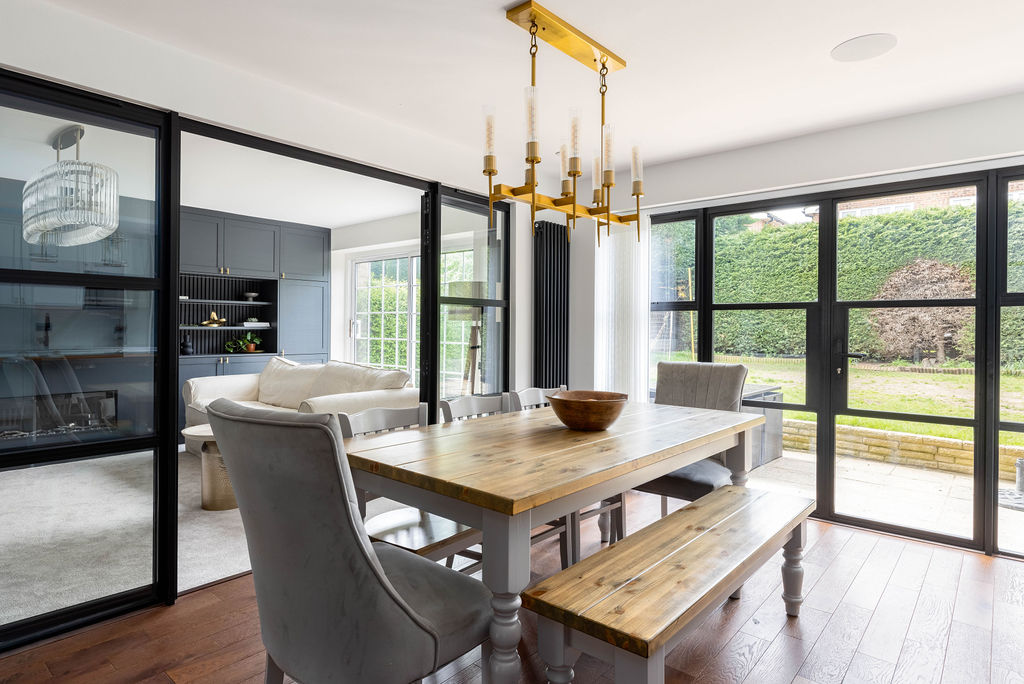
Once the exterior is complete, attention should turn to the interiors. A successful extension should feel like a natural continuation of your home, not an awkward add-on. Working with an interior designer makes sure your new space complements the style of your existing property while reflecting your personality and lifestyle. Our online interior design service works across the existing and new space so the two read as one home.
Ready to Start Your Extension?
A well-planned extension adds space, value and comfort without the upheaval of moving. If you would like design input from the early stages, our team can help with layout, lighting and interiors as a single coordinated process. Book a free consultation to talk through your project.