

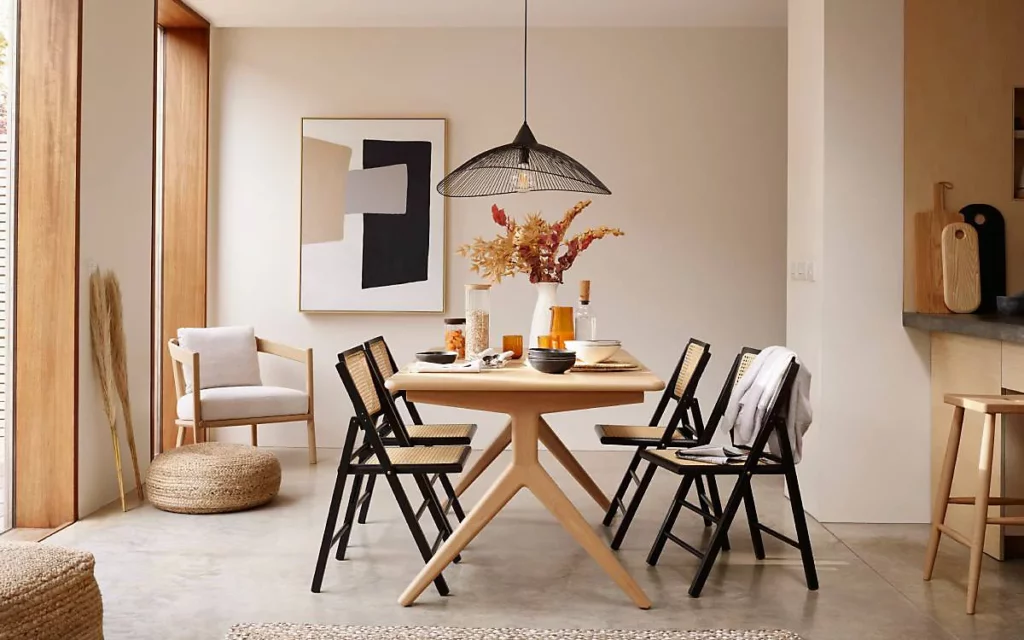

Japandi is a fusion of Japanese minimalism and Scandinavian design, and it has become one of the most enduring looks in modern interiors. It creates spaces that are calm, practical and deeply rooted in a sense of purpose, minimalist without feeling cold. Here is where Japandi comes from, what defines it, and how to bring the style into your own home.
What Is Japandi Style?

Japandi is a hybrid interior style that combines the warmth and craft of Japanese design with the clean lines and practicality of Scandinavian design. It is built on a neutral palette, natural materials like light wood, stone and linen, uncluttered space, and a quiet appreciation of imperfection through the Japanese idea of wabi-sabi. The result is a home that feels serene and considered, warm rather than stark, and easy to live in day to day.
The Origin of Japandi

image credit: Fourth and Ivy
Japandi blends two distinct but complementary traditions. Japanese interiors embrace simplicity, natural materials and a deep connection to nature. Scandinavian design is known for practicality, clean lines and clever use of light. Together they form a style that balances form with function, calm with cosiness, and minimalism with warmth. It sits comfortably alongside the other pared-back looks in our guide to interior design styles, but the warmth is what sets it apart.
The Key Elements of Japandi Design
Minimalism with Warmth
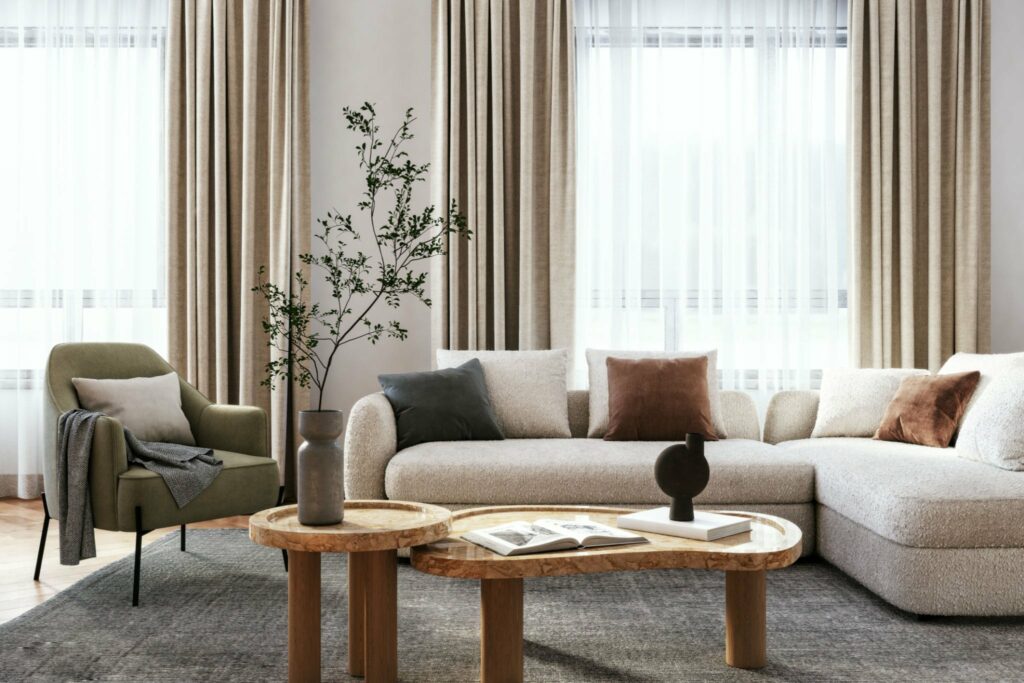
At the core of Japandi is a shared love of minimalism, clean lines, uncluttered space, and a focus on the essentials. What sets it apart is the warmth. Unlike the starkness often associated with minimalism, Japandi brings in warm, earthy tones and natural materials to create inviting spaces that feel cosy and calm. If you like the restraint but want the softness, it is close in spirit to quiet luxury, and it shares plenty with the Scandinavian approach it grew from.
A Neutral Colour Palette

image credit: JapandiStore
The palette in Japandi interiors is a blend of neutral tones. Soft greys, muted blues, warm whites and subtle greens create a serene atmosphere that echoes nature. These calming hues give the whole scheme its sense of balance. Our guide to greens and neutrals is a good place to find shades that suit the look, and our notes on warm and cool colours help you keep the balance right.
Natural Materials
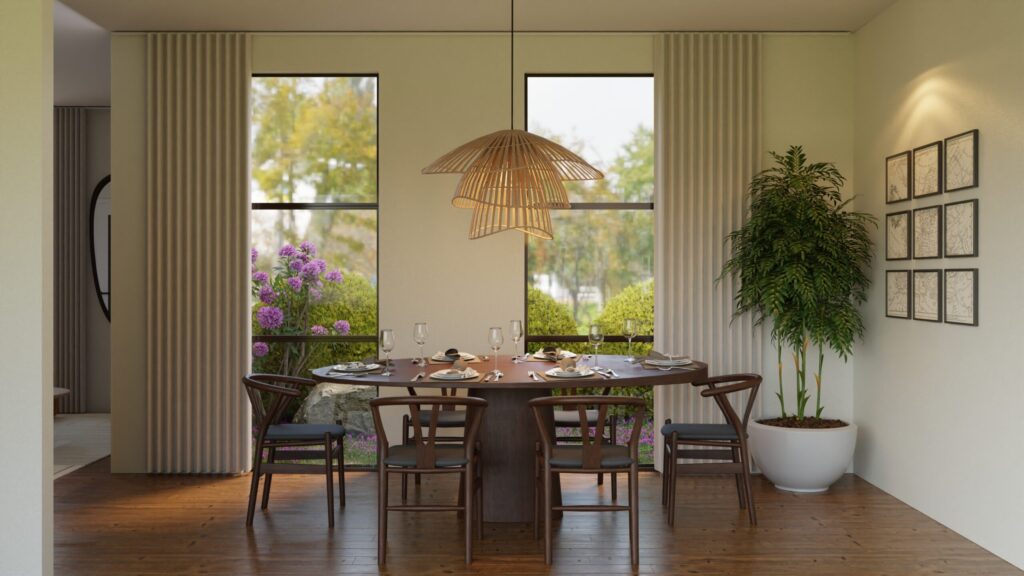
image credit: House Designer
Japandi puts a strong emphasis on natural materials. Wood plays a central role in the furniture and decor, with light-toned woods like oak and ash favoured for their warmth and connection to nature. Stone, bamboo and other tactile materials add to the organic feel. The point is texture and honesty of material, surfaces you want to touch, not high-gloss perfection.
Practical Furniture

image credit: House Designer
Scandinavian design is known for its practical approach to furniture, and Japandi continues that. Furniture in Japandi interiors is good-looking and highly usable. Each piece serves a purpose, with a focus on simplicity and utility. Clean lines and unadorned surfaces give the space a sense of order and calm. Low-profile, well-proportioned pieces work best, nothing bulky or over-designed.
Wabi-Sabi Elements
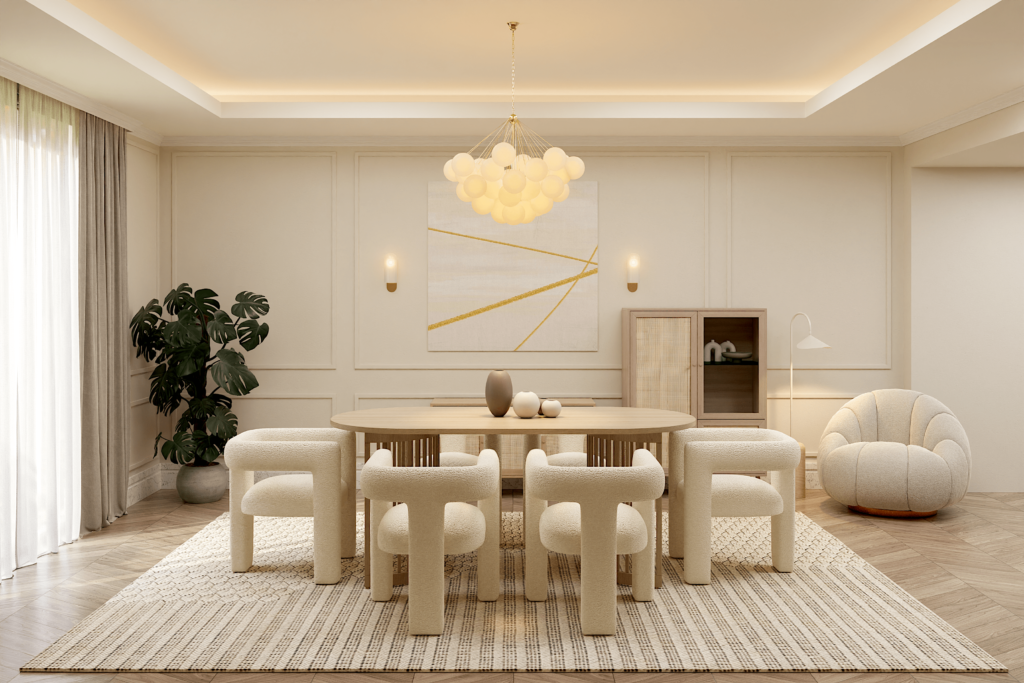
image credit: House Designer
Japandi embraces the Japanese concept of wabi-sabi, the appreciation of imperfection and impermanence. This shows in the use of handmade or subtly imperfect elements. A slightly uneven ceramic vase or a weathered wooden surface brings character and real charm to a space, and it is the antidote to the mass-produced sameness of a lot of modern interiors.
Natural Light and Open Space

image credit: House Designer
Both Japanese and Scandinavian design prioritise natural light and open space. Large windows, sliding doors and a careful arrangement of furniture to let light flow all contribute to the bright, airy feel of Japandi interiors. The connection to the outdoors is often emphasised, creating a smooth transition between inside and out. Where daylight is limited, the same principles in our guide to maximising natural light apply directly.
Greenery and Biophilia

image credit: House Designer
Plants play a starring role in Japandi interiors, echoing the principle of biophilia, our innate connection with nature. A touch of greenery instantly softens a minimalist space, supports wellbeing and brings the muted palette to life. From tall floor plants to small succulents, greenery is one of the easiest ways to build the Japandi mood.
Subtle Patterns and Personal Touches

image credit: House Designer
Japandi is built on simplicity, but subtle geometric patterns woven into textiles, tiles or decor add a soft contrast that enriches the whole scheme. And minimalist does not mean impersonal, spaces often feature a few carefully chosen pieces with real meaning. Artwork, handmade pottery or a vintage find brings a personal touch while keeping the balance intact. Our guide to wall art covers how to choose pieces that suit a calm, pared-back room.
How to Create a Japandi Look at Home
You do not need to redesign a whole house to bring in the style. Build it up in layers:
- Start with the palette – strip the room back to warm whites, soft greys and muted earth tones, then let the materials add the interest.
- Choose fewer, better pieces – Japandi rewards restraint. One beautiful low table or a single sculptural chair does more than a room full of furniture.
- Mix light and dark wood – pale Scandinavian oak alongside darker Japanese-inspired timber gives the look its depth.
- Add texture, not colour – linen, wool, ceramic, rattan and stone bring warmth without disturbing the calm palette.
- Declutter, then declutter again – open surfaces and considered negative space are as important as the objects you keep.
- Finish with greenery – one or two well-placed plants soften the whole scheme.
Common Japandi Mistakes to Avoid
The look is simple in principle but easy to get slightly wrong. The most common mistakes we see are going too cold, all grey and white with no warm wood or texture, so the room feels clinical rather than calm. Over-cluttering is the opposite trap, Japandi needs breathing space, so a few meaningful pieces beat lots of small ones. And matching everything too perfectly kills the wabi-sabi spirit, the handmade, the slightly irregular and the aged are what give the style its soul. Aim for balance, not showroom uniformity.
Bringing Japandi Into Your Home
image credit: House Designer
Japandi is more than a trend, it is a way of living. By combining clean lines, natural elements and quiet simplicity, you can create interiors that are both stylish and deeply calming. Whether you are reworking a Japandi living room with a boucle sofa and pale wood accents, or designing a whole home around the philosophy, this fusion of cultures offers lasting inspiration.
At House Designer, our designers help homeowners across the UK bring the calm spirit of Japandi into their spaces. Explore our online interior design service to design this look in a way that feels personal and practical, or book a free consultation to talk it through.