

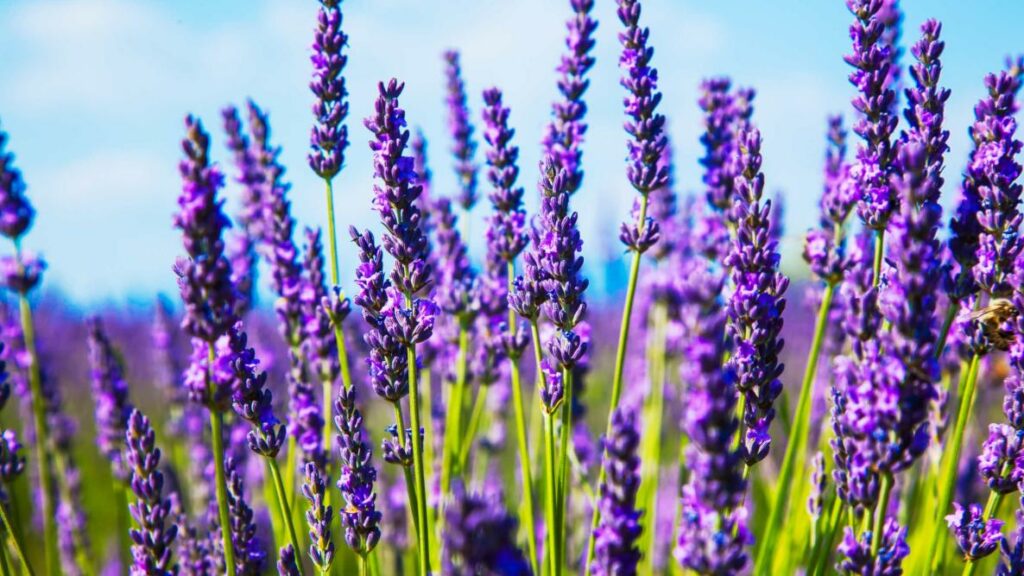
Creating a beautiful garden doesn’t have to be a high-maintenance endeavor. In fact, with the right plant selection, you can enjoy a stunning garden that requires minimal care and attention. Whether you’re a seasoned gardener looking for an easier way to maintain your outdoor space or a beginner with a green thumb, these 10 must-have plants for a low-maintenance garden will help you achieve the lush and vibrant garden of your dreams.
1. Lavender (Lavandula spp.)
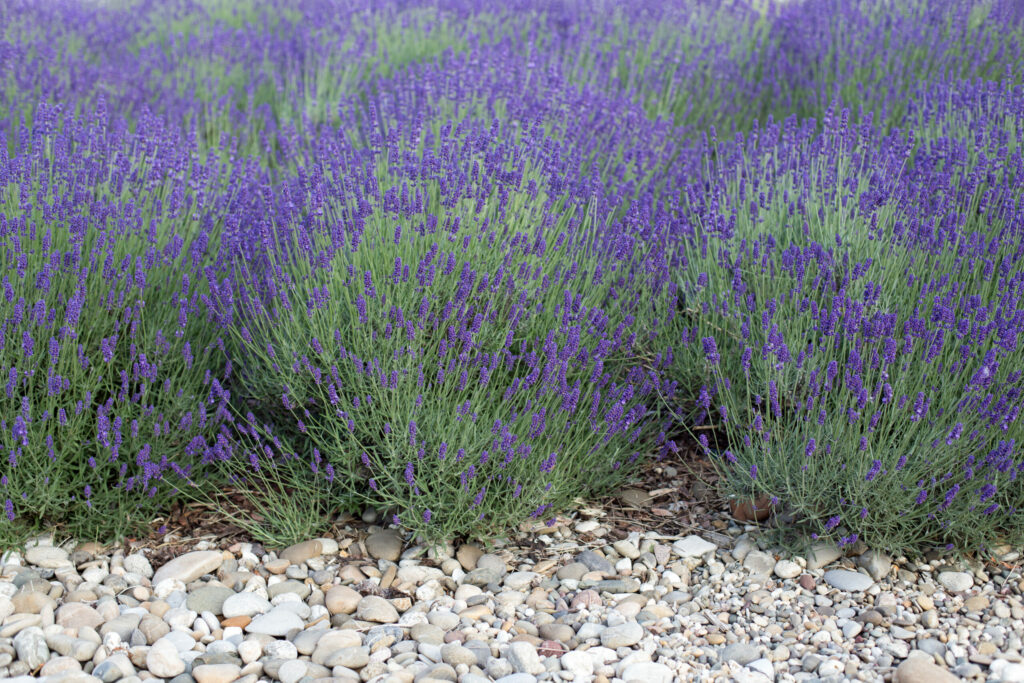
Lavender is a classic low-maintenance plant that not only adds a pop of colour to your garden but also fills the air with a delightful fragrance. These hardy perennial shrubs thrive in full sun, require little water, and are known for their resilience to drought. Simply trim them back once a year to maintain their shape and encourage new growth.
2. Sedum (Sedum spp.)
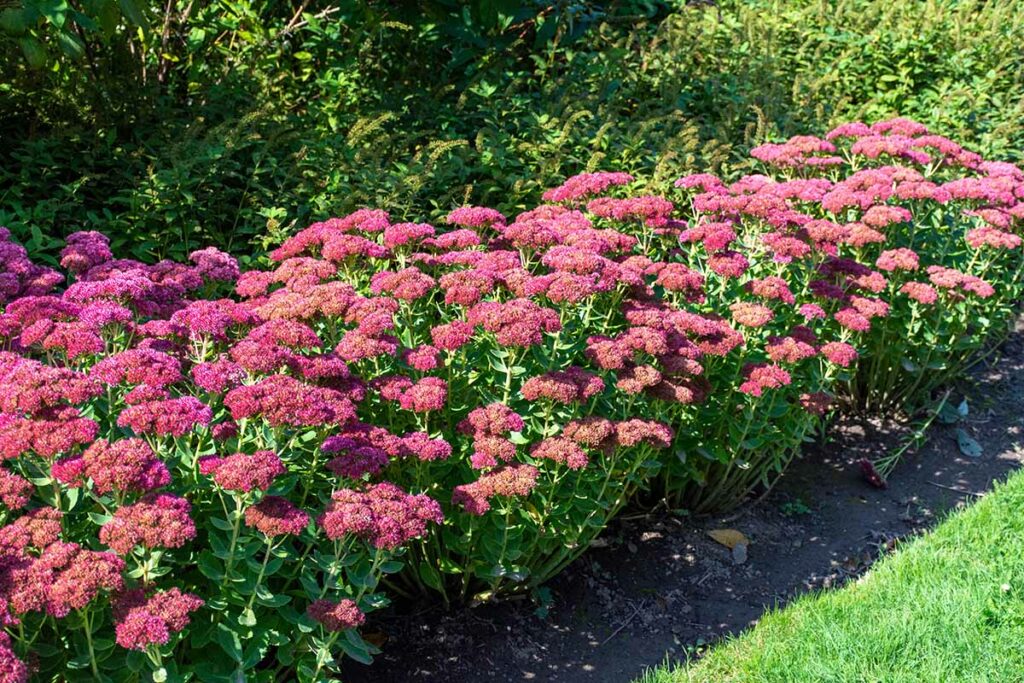
image credit: Gardners Path
Sedums, also known as stonecrops, are succulent plants that come in various sizes and colours. They are incredibly low-maintenance, as they thrive in well-drained soil and require minimal watering. Sedums are known for their ability to attract pollinators, making them a great addition to any garden.
3. Ornamental Grasses (Various Species)
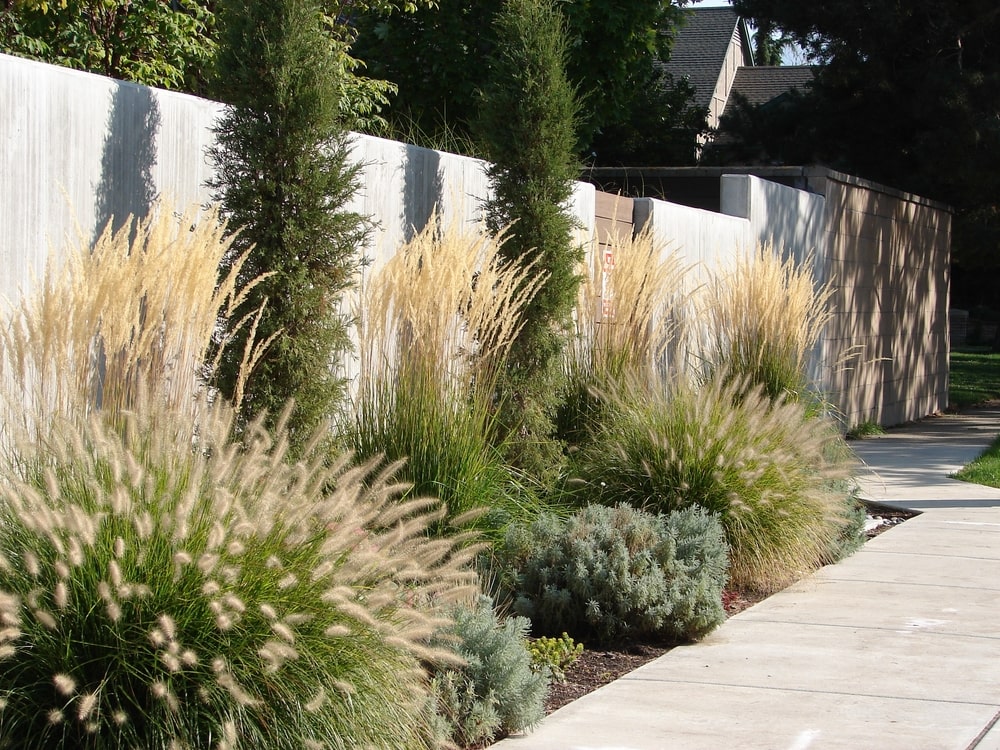
Ornamental grasses, such as fountain grass (Pennisetum) and maiden grass (Miscanthus), bring texture and movement to your garden with minimal effort. These grasses are drought-tolerant and require little maintenance. Simply cut them back in late winter or early spring to encourage new growth.
4. Hostas (Hosta spp.)
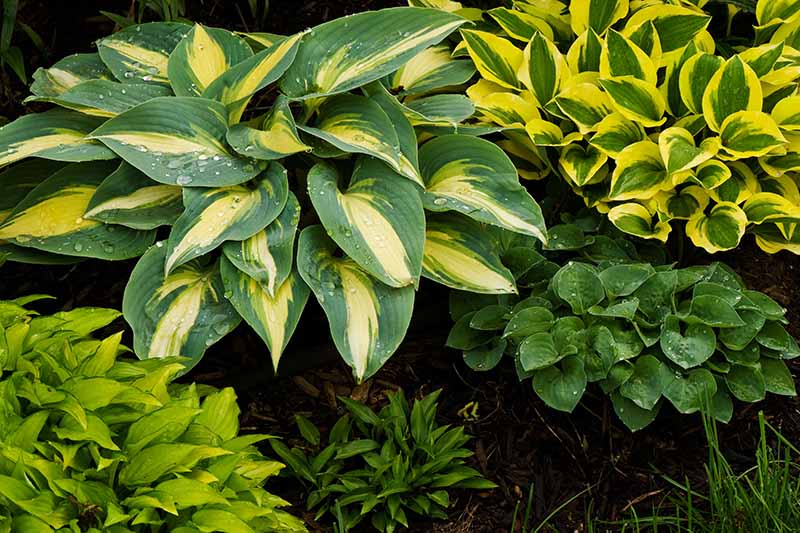
image credit: Gardeners Path
Hostas are shade-loving perennials that add lush green foliage to your garden. They are incredibly low-maintenance and require little more than regular watering and occasional dividing to keep them healthy and vibrant. Hostas are available in various sizes and leaf colours, allowing you to create a diverse garden.
5. Daylilies (Hemerocallis spp.)
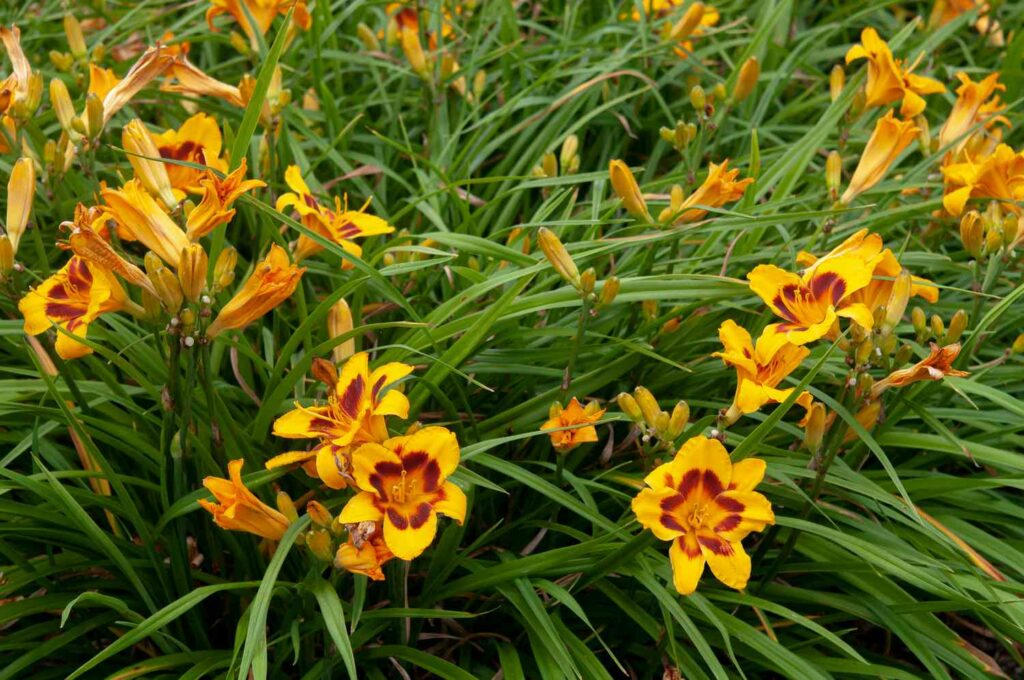
image credit: The Spruce / Evgeniya Vlasova
Daylilies are known for their stunning blooms, and they are also low-maintenance plants. They thrive in various soil conditions and can withstand drought. Daylilies require little care beyond deadheading spent blooms to encourage continuous flowering.
Seeking Garden Design ideas?👉 Check out our portfolio. 💡
6. Yarrow (Achillea spp.)
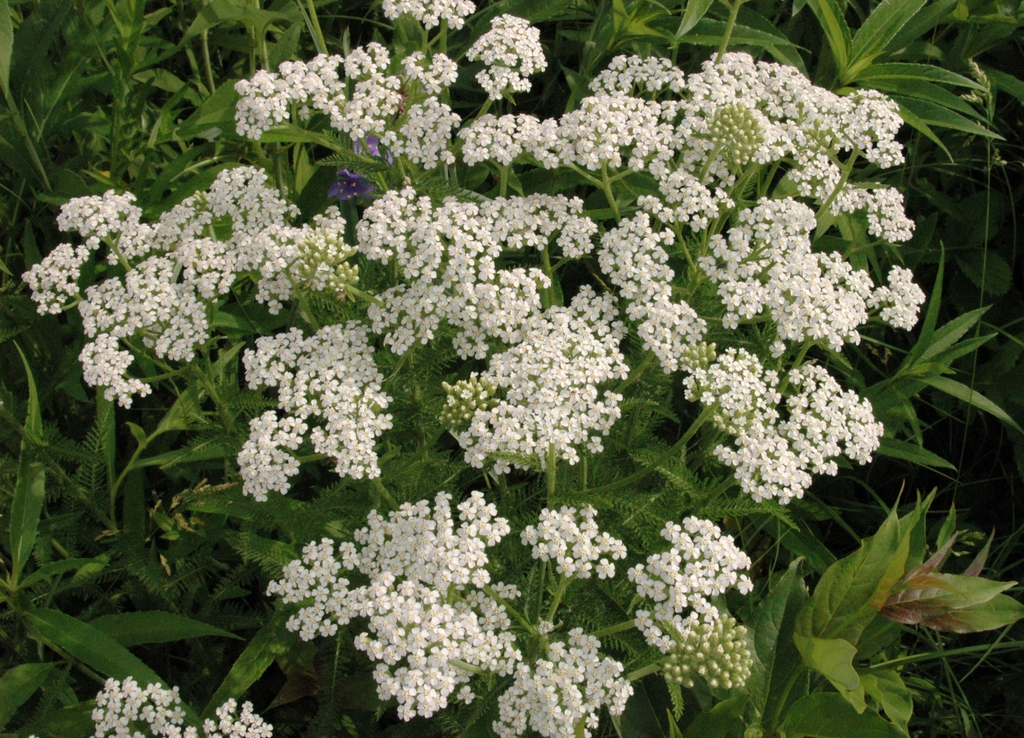
image credit: NC State University
Yarrow is a hardy perennial that produces clusters of small, colorful flowers. It is drought-tolerant and thrives in well-drained soil. Yarrow attracts pollinators and requires minimal maintenance, making it an excellent choice for a low-maintenance garden.
7. Russian Sage (Perovskia atriplicifolia)
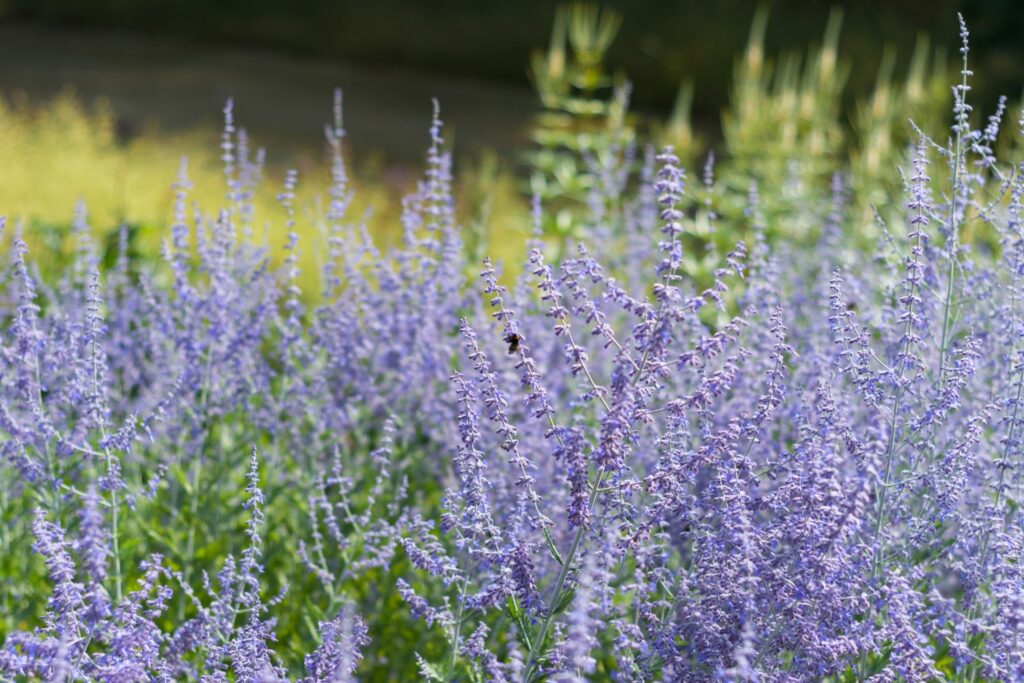
image credit: Loana Rut/ Shutterstock
Russian Sage is a drought-tolerant and low-maintenance perennial with silver-gray foliage and lavender-blue flowers. It thrives in full sun and requires minimal care. Prune it back in early spring to encourage new growth and maintain its shape.
8. Echinacea (Echinacea spp.)
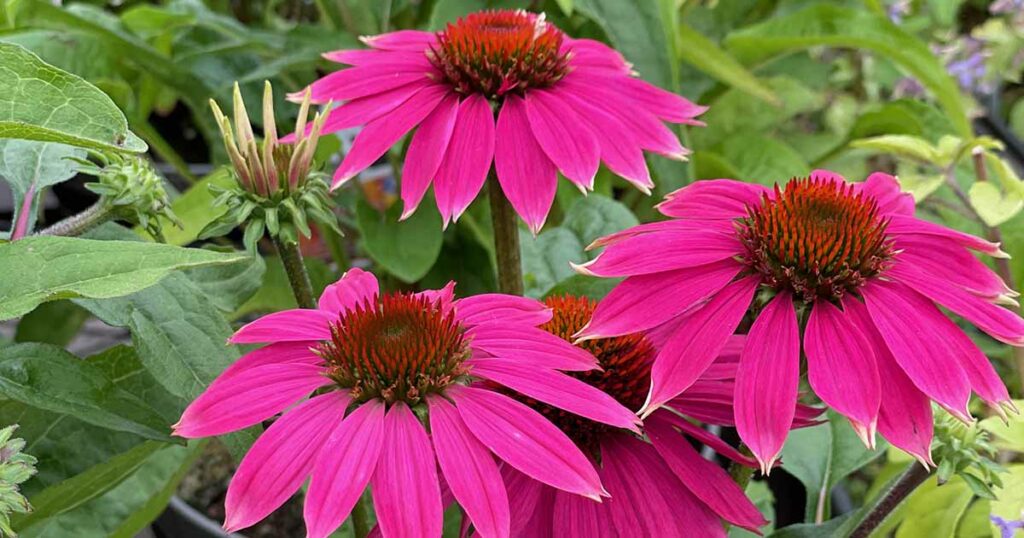
image credit: Gardener’s Path
Echinacea, commonly known as coneflower, is a beautiful and hardy perennial that attracts pollinators to your garden. These flowers are drought-tolerant and require minimal care. Deadheading spent blooms and dividing the plants every few years will keep them healthy and flourishing.
9. Butterfly Bush (Buddleia spp.)
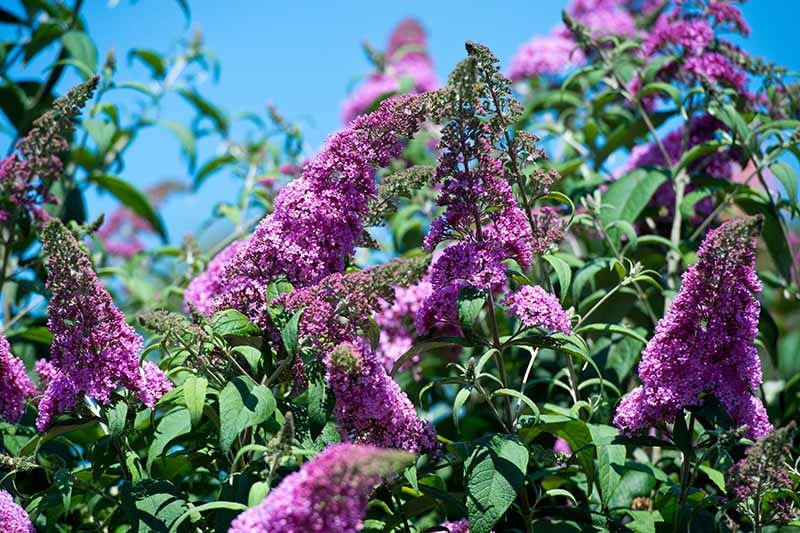
image credit: Gardner’s Path
Butterfly bush is aptly named for its ability to attract butterflies and other pollinators. These shrubs thrive in full sun and are drought-tolerant once established. Regular pruning in late winter or early spring helps maintain their shape and encourages new growth.
10. Peony (Paeonia spp.)
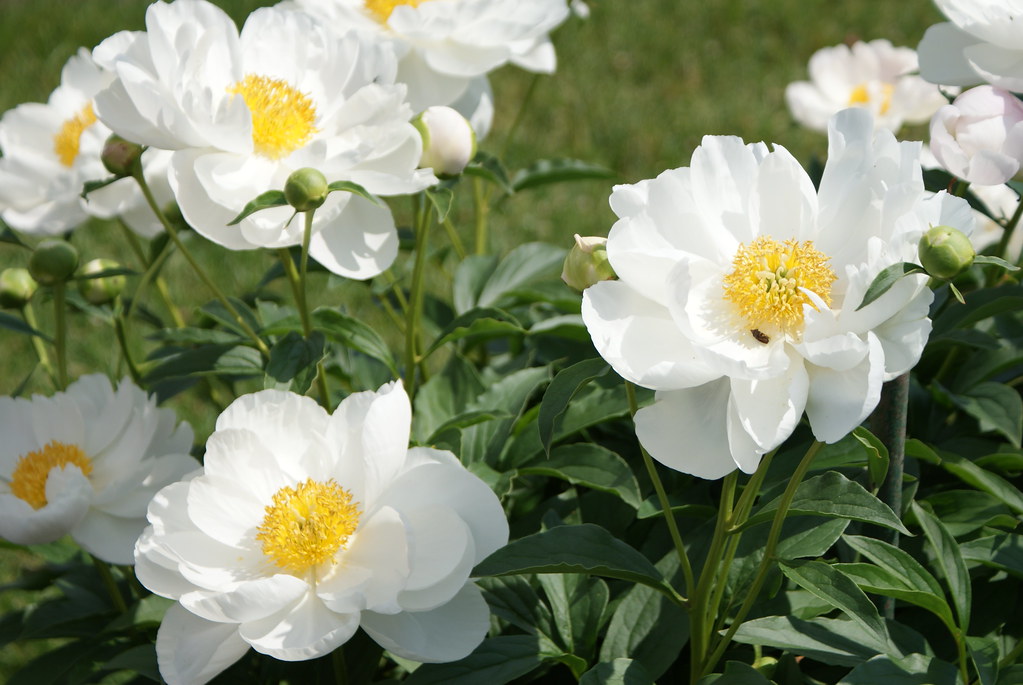
image credit: lezumbalaberenjena via Flickr
Peonies are beloved for their large and fragrant blooms. While they may require some patience initially, as they take a few years to establish fully, they become low-maintenance perennials once mature. Provide them with well-drained soil and enjoy their beauty with minimal care.
Incorporating these 10 must-have plants into your planting scheme or garden design will not only enhance its visual appeal but also make it easier to maintain. With a low-maintenance garden design, you can spend more time enjoying the beauty of nature and less time tending to your plants. So, roll up your sleeves, plant these selections, and watch your garden thrive with minimal effort.
Need help selecting the right plants for your garden? See our 👉Planting Plan Service. Additionally, take advantage of our 👉Garden Design Consultation for expert guidance on overall garden dilemmas and tailored design solutions.