

Transforming your outdoor space into a stunning and functional garden requires more than just planting a few flowers and shrubs. While many homeowners enjoy the DIY approach to gardening, there are compelling reasons to consider hiring a professional garden designer. In this article, we’ll explore eight key reasons why engaging a garden designer can elevate your outdoor experience and create a truly exceptional garden.
Expertise and Knowledge
A garden designer brings a wealth of expertise and horticultural knowledge to the table. They understand plant varieties, soil conditions, and climate considerations, ensuring that your garden is designed with the right plants that thrive in your specific environment. This expertise can save you from costly mistakes and result in a garden that flourishes.
Personalised Garden Design
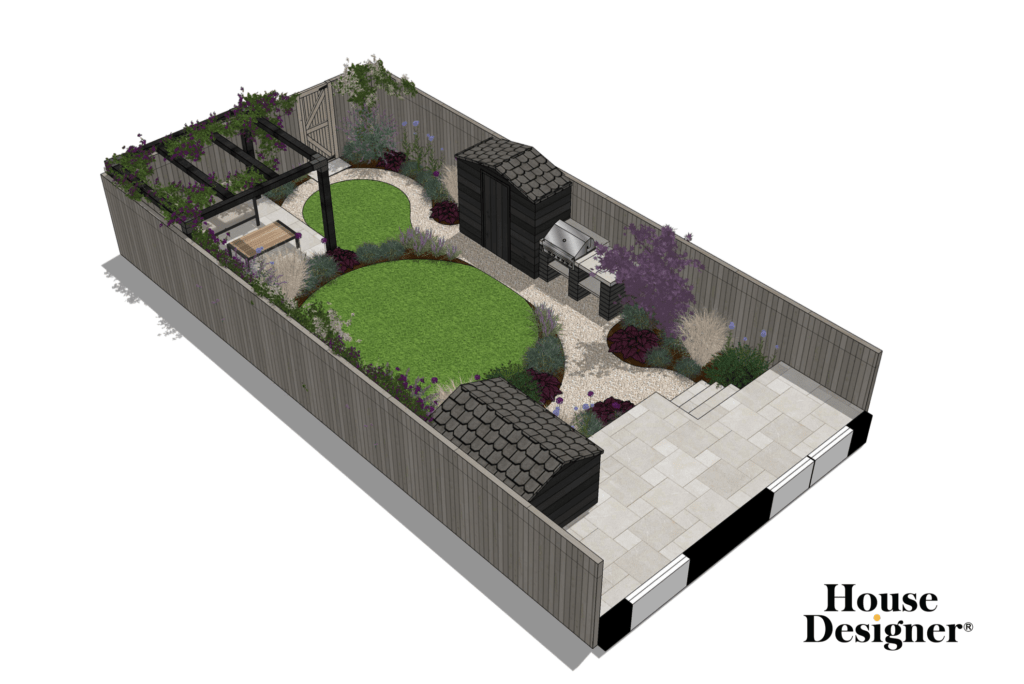
image credit: House Designer
Every garden is unique, just like its owner. A garden designer takes the time to understand your preferences, lifestyle, and how you envision using the space. They craft a personalised design that reflects your taste, ensuring that your garden becomes a true extension of your home and personality.
Optimal Space Utilisation
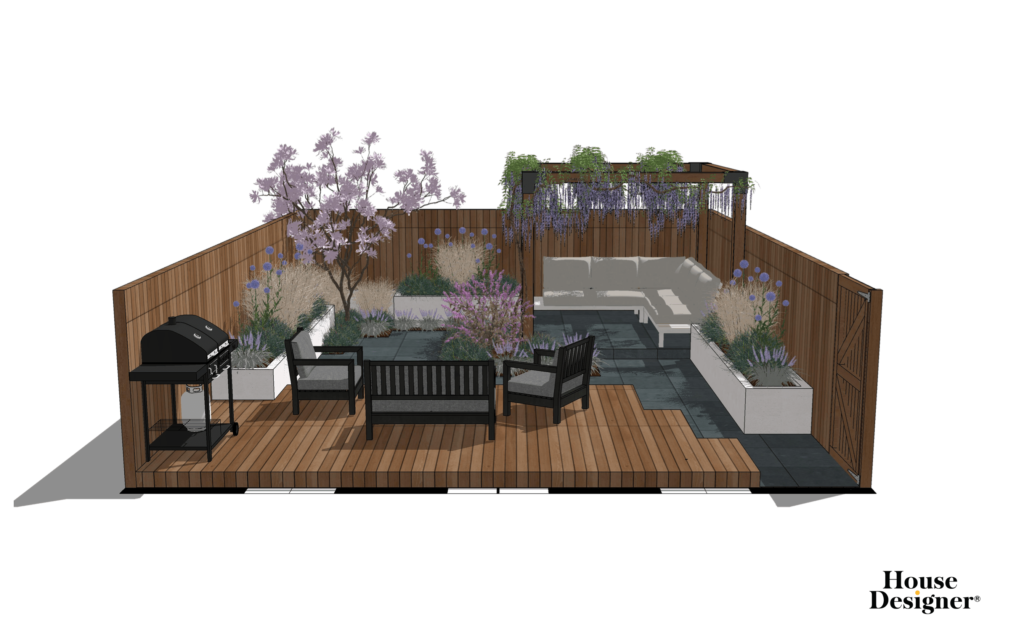
Garden designers are experts in space planning, making the most of the available area. They understand how to optimise layouts, create focal points, and use landscaping features to enhance the visual appeal and functionality of your garden. Whether you have a small urban space or a sprawling backyard, a designer can maximise its potential.
Seasonal Interest and Year-Round Beauty
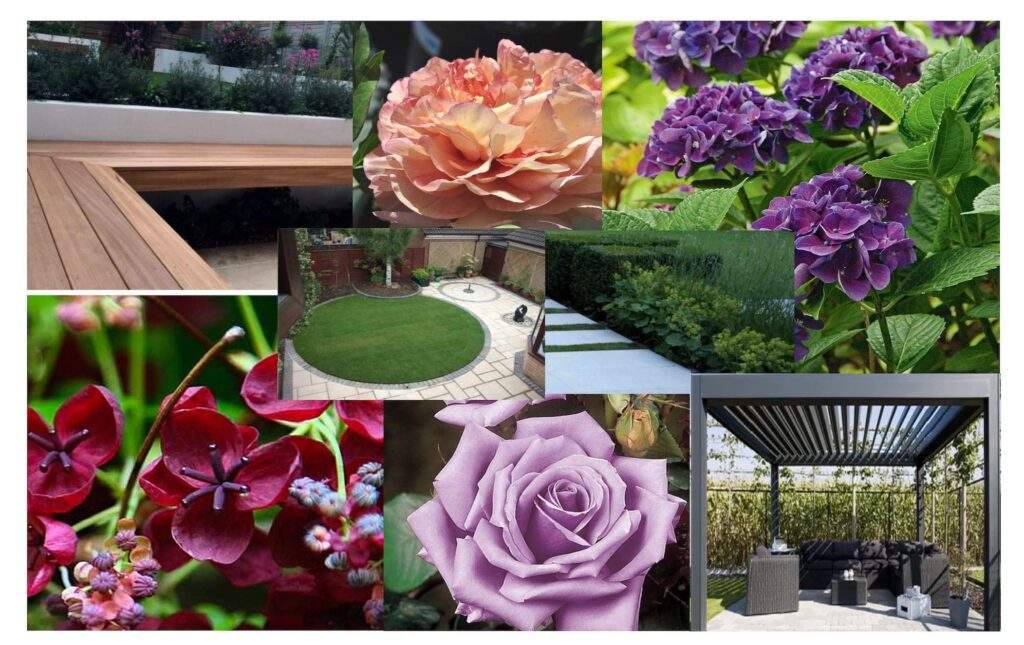
image credit: House Designer
Professional garden designers consider the importance of seasonal interest in creating a garden that delights throughout the year. By strategically selecting plants that bloom or showcase unique features in different seasons, they ensure that your garden remains visually appealing and engaging, no matter the time of year.
Sustainable and Low-Maintenance Solutions
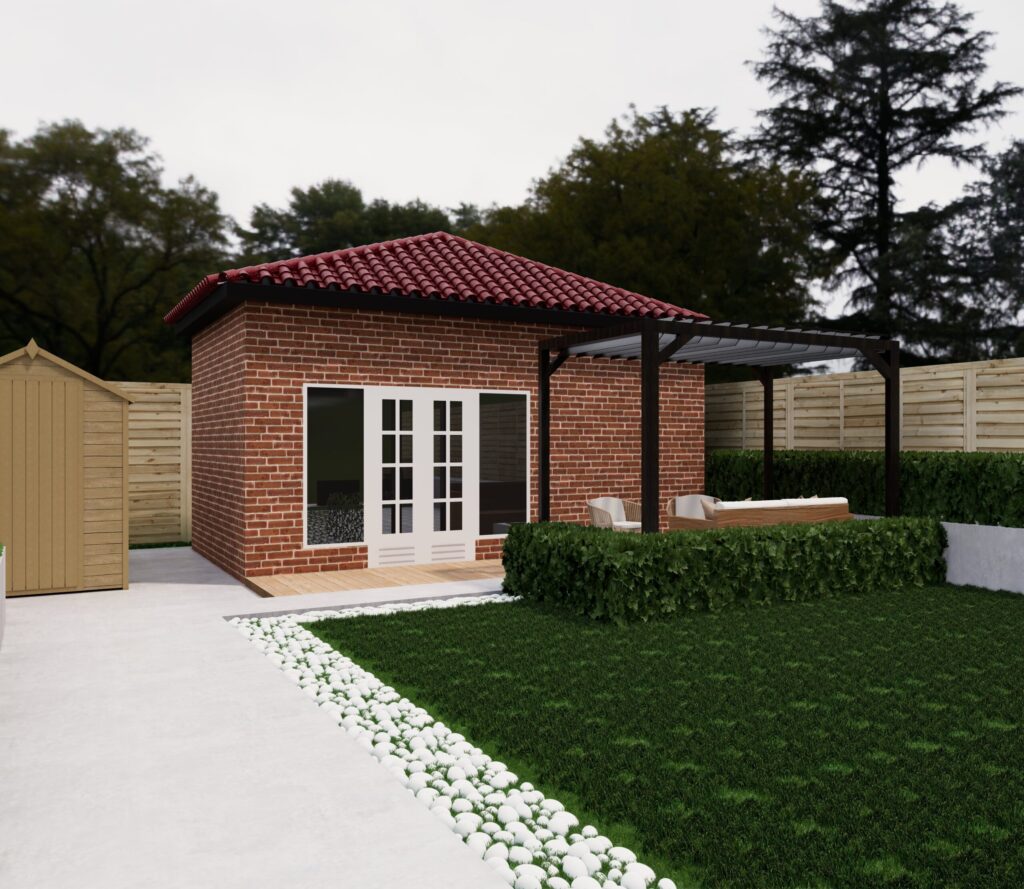
image credit: House Designer
Sustainable gardening practices are a growing consideration for many homeowners. A garden designer can implement eco-friendly solutions, such as water-efficient irrigation systems, native plant selections, and low-maintenance design principles, reducing the environmental impact and the need for constant upkeep.
Attention to Detail and Design Cohesion
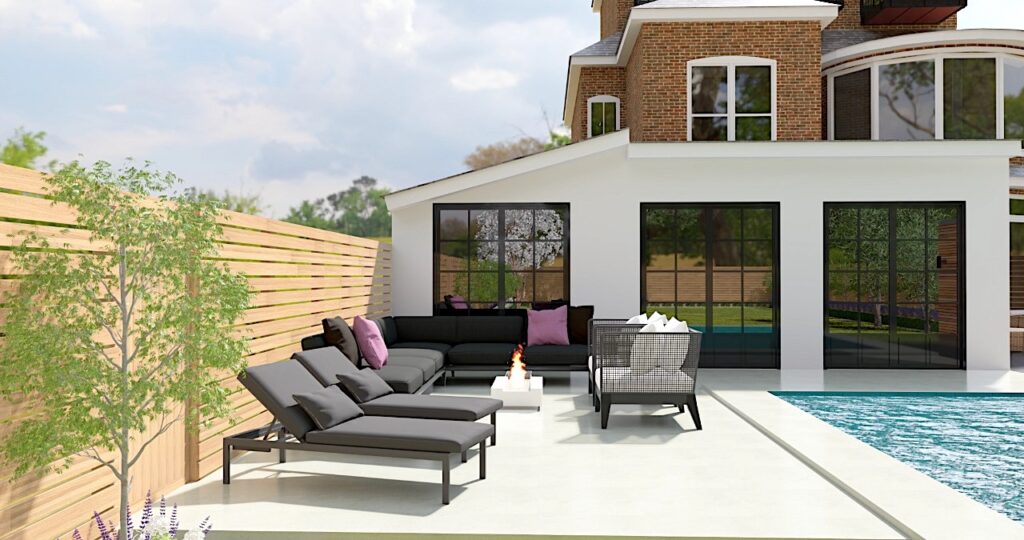
image credit: House Designer
Attention to detail is a hallmark of skilled garden designers. They focus on every element, from plant pairings to hardscape materials, ensuring that the design is cohesive and harmonious. A well-designed garden is not just a collection of plants; it’s a thoughtfully curated and unified outdoor space.
Budget Management
While it may seem unreal, hiring a garden designer can actually help manage costs. Designers have relationships with nurseries, suppliers, and contractors, often securing better prices for materials and services. Additionally, their expertise can prevent costly mistakes and redesigns that might occur with a DIY approach. Check out our affordable garden design packages
Time-Saving and Efficient Implementation
Designing and implementing a garden can be a time-consuming process. Another reason why you should hire a Garden designer is that they streamline the entire project, managing timelines, coordinating installations, and overseeing the execution. This allows you to sit back, relax, and watch your dream garden come to life without the stress and time investment.
Why Hire a Garden Designer
Hiring a garden designer is an investment in the long-term beauty and functionality of your outdoor space. Whether you’re starting from scratch or looking to revitalise an existing garden, the expertise, creativity, and attention to detail that a garden designer brings can turn your garden dreams into a reality. Consider the many benefits of professional garden design as you embark on the journey to create a garden that reflects your unique style and enhances your outdoor living experience.