

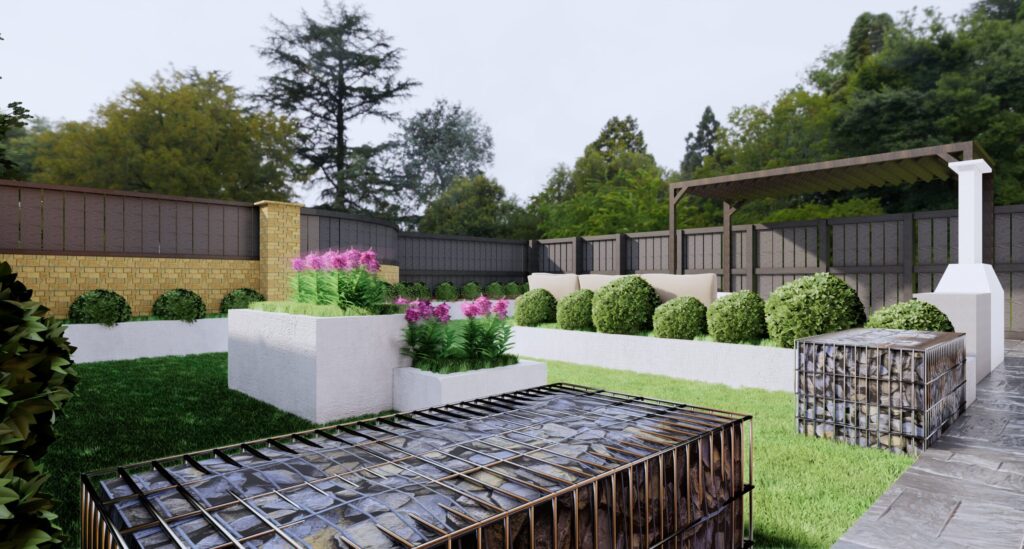
A well-thought out planting plan is the green blueprint that transforms a garden into a vibrant and harmonious outdoor haven. Whether you’re starting from scratch or looking to refresh your existing green space, designing a planting design plan is a creative process that involves careful consideration of plant choices, colours, textures, and seasonal interest. In this article, we’ll explore the art of crafting planting plans and schemes to elevate your garden to new heights.
Understanding Your Garden’s Microclimates
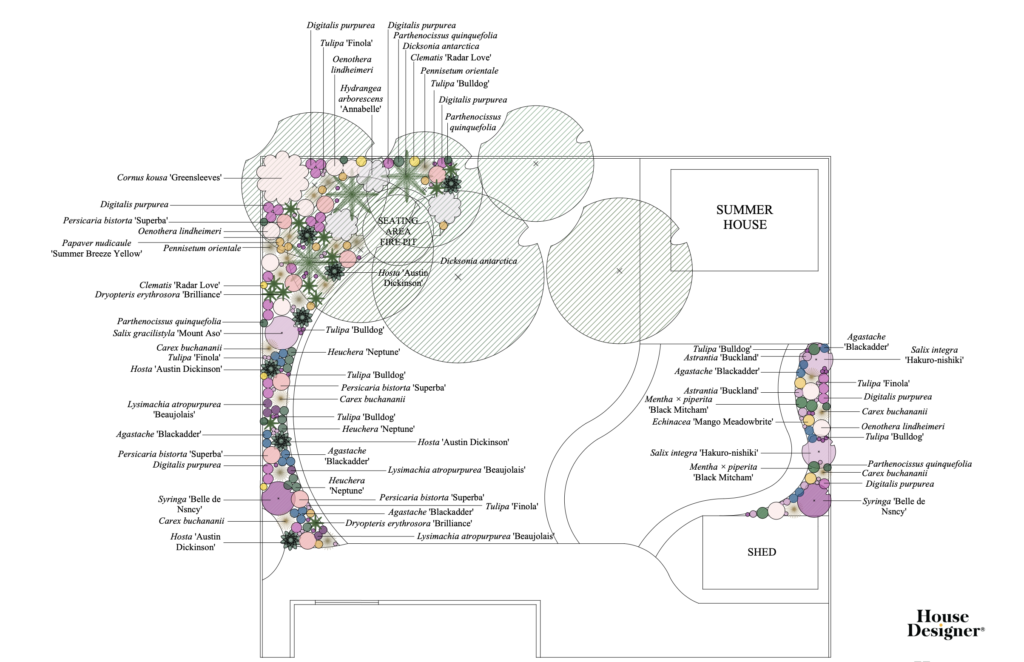
Planting Plan designed by the team at House Designer
Before diving into plant selection, it’s crucial to understand the microclimates within your garden. Different areas may receive varying amounts of sunlight, shade, and wind exposure. Take note of these factors to choose plants that thrive in each specific microclimate, ensuring their optimal growth and overall health.
Defining Your Garden’s Purpose
Consider the purpose of your garden. Are you aiming for a peaceful retreat, a vibrant flower display, or a productive vegetable patch? The intended use of your garden influences the types of plants you select. For instance, a meditation garden may prioritise calming, low-maintenance plants, while a flower garden thrives on a riot of colors and textures.

Seasonal Interest
A well-designed garden offers visual interest throughout the seasons. Plan for a succession of blooms and foliage changes, ensuring your garden remains captivating year-round. Include a mix of plants with varying bloom times, different leaf textures, and attractive seed heads or berries for winter interest.
Colour Harmony and Contrast
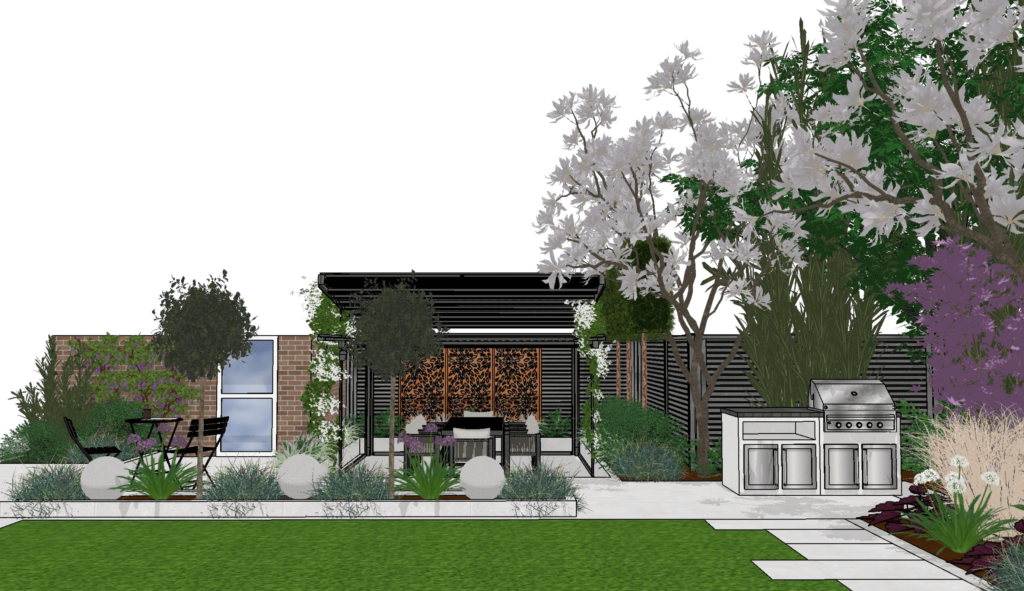
Image credit: House Designer
The colour palette you choose sets the mood of your garden. Create harmony by selecting colours that complement each other, or go for contrast to make certain elements pop. Consider the seasonal progression of colors to ensure a dynamic and ever-changing visual experience.
Layering Plants
Achieve depth and visual interest by incorporating plants of different heights and forms. Arrange plants in layers, with taller specimens at the back and shorter ones in the front. This creates a sense of depth and a visually appealing composition.
Focal Points and Anchor Plants
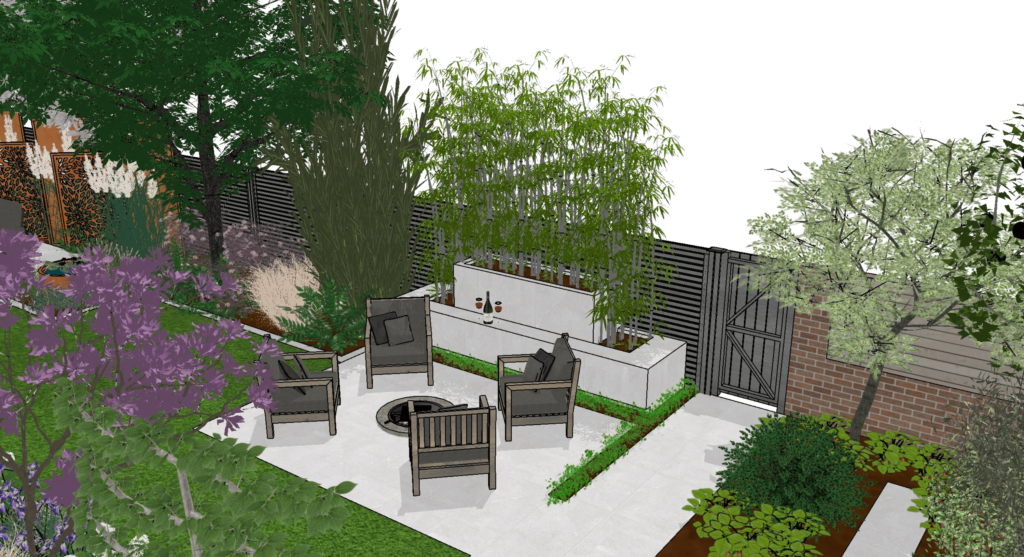
Image credit: House Designer
Introduce focal points to draw the eye and anchor your planting scheme. These could be a striking tree, a sculpture, or a distinctive plant specimen. Use anchor plants strategically to guide the overall design and flow of the garden.
Consider Maintenance Needs
Be realistic about the level of maintenance you’re willing to commit to. If you prefer a low-maintenance garden, opt for plants that require minimal care and are well-suited to your local climate. Conversely, if you enjoy hands-on gardening, you might choose more intricate plants that demand a bit more attention.
Native and Adapted Plants

Image credit: House Designer
Incorporating native and locally adapted plants not only promotes biodiversity but also ensures that your garden thrives in its specific environment. Native plants are well-suited to local soil conditions and climate, requiring less intervention to flourish.
Companion Planting
Explore the concept of companion planting, where certain plants are placed together for mutual benefit. Some plants can repel pests, enhance soil fertility, or provide support for climbing varieties. This thoughtful approach to planting contributes to a healthier and more resilient garden ecosystem.
Planting Design Plan

Image credit: House Designer
Take into account the eventual size of each plant as it matures. Ensure a harmonious balance by considering the scale and proportion of plants in relation to one another and to the overall size of your garden.
At House Designer, we have a dedicated team of garden designers and horticulturists who specialise in designing custom planting plans and schemes. Starting from £299, we offer tailored solutions that align with your vision and the unique characteristics of your space. Allow our experts to bring your garden to life, creating a vibrant haven that enhances your home and enriches your outdoor living experience.
A well-created Planting design plan the key to a garden that delights the senses and provides year-round enjoyment. By understanding your garden’s microclimates, defining its purpose, and carefully selecting plants based on seasonal interest, color harmony, and maintenance needs, you can create a lush and inviting outdoor space. Whether you’re a seasoned gardener or just starting, let your garden be a reflection of your creativity, passion, and a flourishing testament to the beauty of nature.