

Garden rooms in the UK have become increasingly sought after, not just for their aesthetic appeal but also for the value they add to a property. These bespoke sanctuaries offer a seamless blend of the comfort of your home with the tranquillity of nature. But what exactly is a garden room, and why is it capturing the imaginations of homeowners across Britain?
A Timeless Tradition Reimagined
The concept of garden rooms is not new. Historically, they graced the estates of the British aristocracy, serving as orangeries or conservatories. Today, these structures have evolved to meet a variety of modern needs, from garden offices to yoga studios, reflecting a blend of function and aesthetic appeal.
Diverse Types for Every Desire
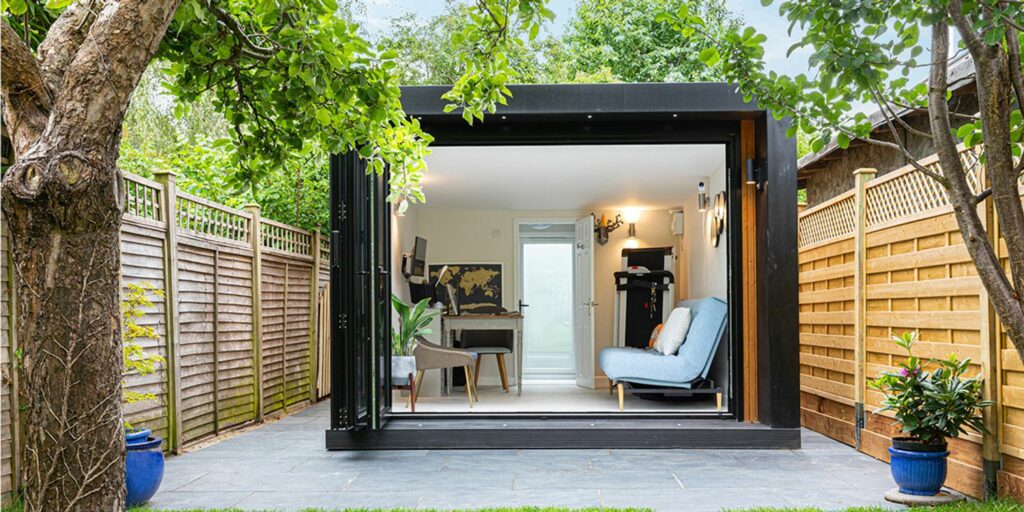
Garden rooms come in many forms. The traditional conservatory, with glass walls and roofing, remains popular, allowing sunlight to flood in while providing a panoramic view of the garden. Then there are summerhouses, perfect for those warm, lazy afternoons with a book. For the environmentally conscious, eco-friendly garden pods with green roofs are on the rise, not only adding a visual appeal but also promoting biodiversity.
Designing Your Dream Space
Creating a garden room in the UK involves navigating the unique climate and balancing functionality with style. Considerations such as insulation for year-round use, sustainable materials, and blending with the local environment are paramount. It’s also essential to tailor the design to the intended use, whether it’s a serene retreat or a vibrant entertainment hub.
How Much Does a Garden Room Cost?
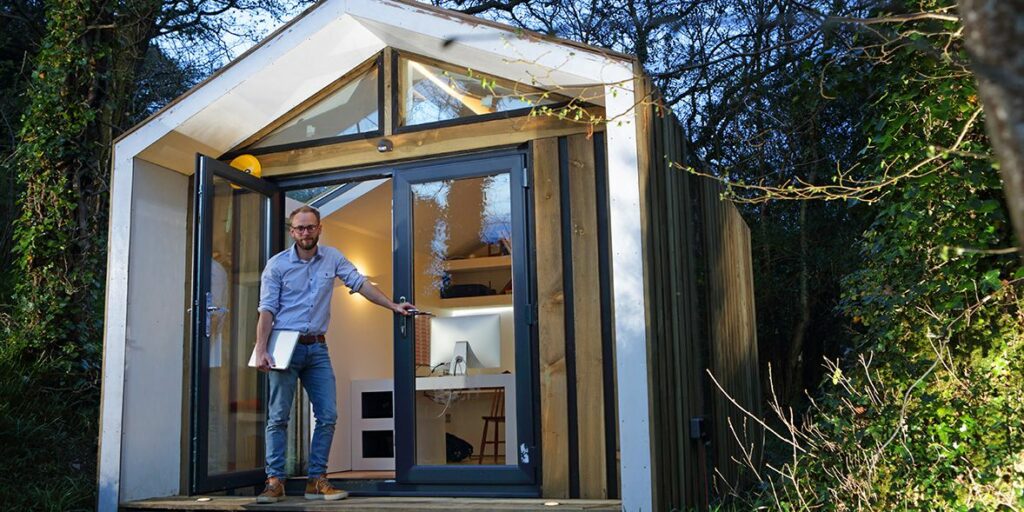
The financial commitment to build a garden room starts from an accessible point, with prefabricated models beginning around £5,000. These options offer simplicity and swift enjoyment of your new space. However, for homeowners dreaming of a tailor-made sanctuary that perfectly fits their vision and garden’s landscape, the investment shifts upwards.
Bespoke garden rooms, designed to accommodate specific tastes and functionalities, generally start at £10,000, with more luxury projects potentially reaching beyond £30,000.
Features such as expansive glass doors, integrated heating systems, or custom-built furnishings can elevate the project’s complexity and, accordingly, its cost. Yet, it’s important to view these prices not just as expenses but as investments into your home’s value and your quality of life.
A well-designed garden room not only extends your living space but can also significantly enhance your property’s appeal and market value.
A Sanctuary of Benefits
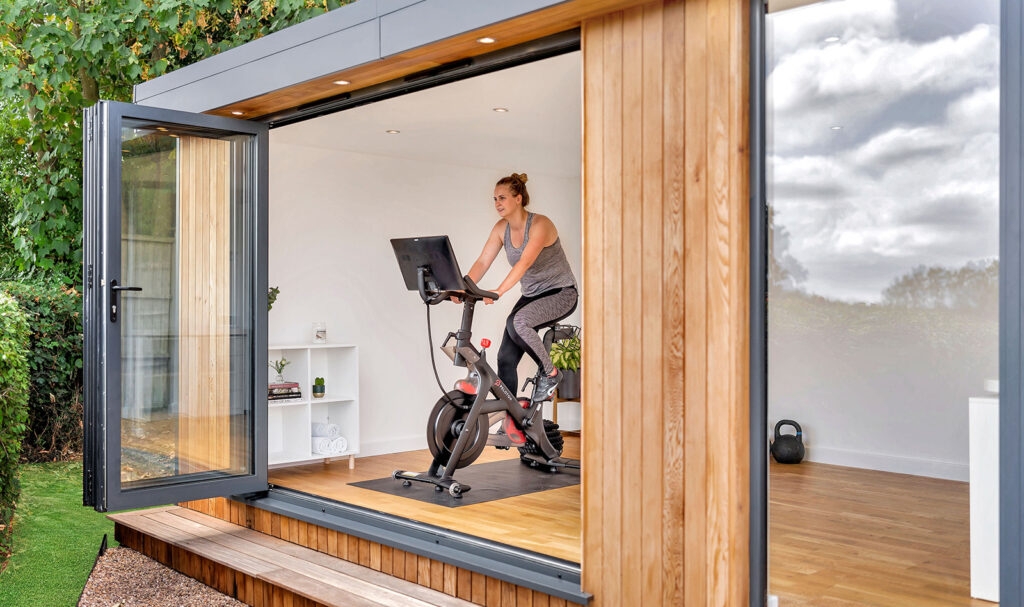
image credit: Eden Garden Rooms
A garden room is not just an extension of space; it’s an investment in your well-being. The natural light and proximity to nature can significantly boost your mood and productivity, as noted by a study from the University of Exeter, which found that exposure to green spaces reduces stress.
Moreover, a well-constructed garden room can add up to 5% to your property value, according to The Telegraph.
The Practical Steps to Paradise
Building a garden room in the UK typically doesn’t require planning permission if it falls within permitted development rights, making it a relatively straightforward project. However, it’s always wise to consult with local authorities before embarking on construction. While some may opt for the DIY route, employing professional garden designers and builders can ensure that your vision is realised safely and to a high standard.
Inside Out: Furnishing with Finesse
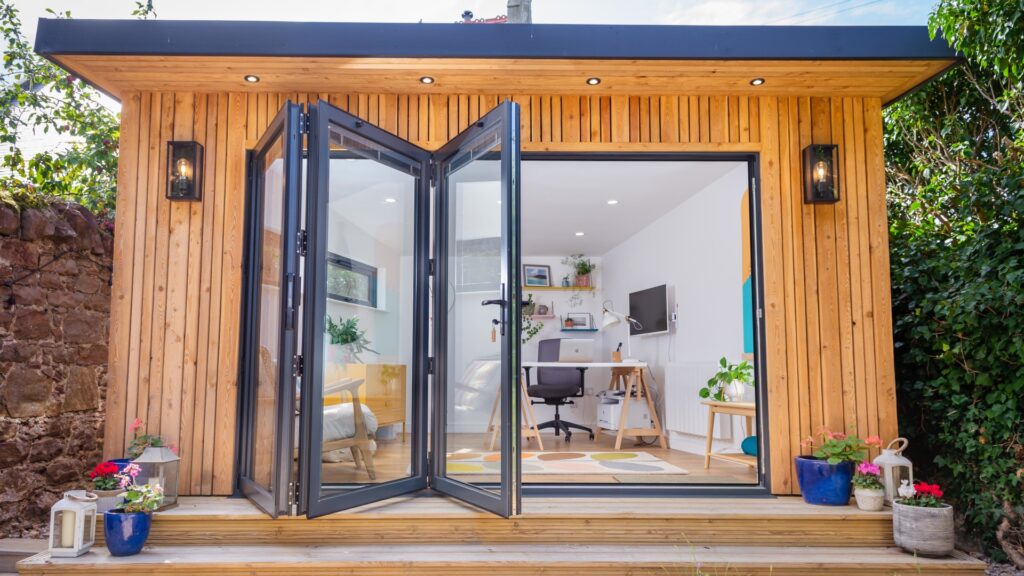
image credit: Outside in a Garden Room
Furnishing your garden room should echo its purpose. For a home office, ergonomic furniture and robust Wi-Fi are key. For relaxation, comfortable seating and soft lighting will create a peaceful ambiance. Choosing weather-resistant materials will ensure longevity and ease of maintenance.
Melding with Nature
Integrating the garden room with its surroundings is vital for achieving a harmonious aesthetic. Our Garden Designers recommend using native plants and creating pathways that lead to the garden room as natural extensions of the garden itself.
Real Gardens, Real Stories
Take the case of Sarah from Kent, who transformed a corner of her garden into a stunning art studio. With large windows and a skylight, she has created a space where inspiration is nurtured by the garden views. John from Surrey, who built a sleek garden office that has not only improved his work-life balance but has also become a focal point for family gatherings.
Your Garden Room Awaits
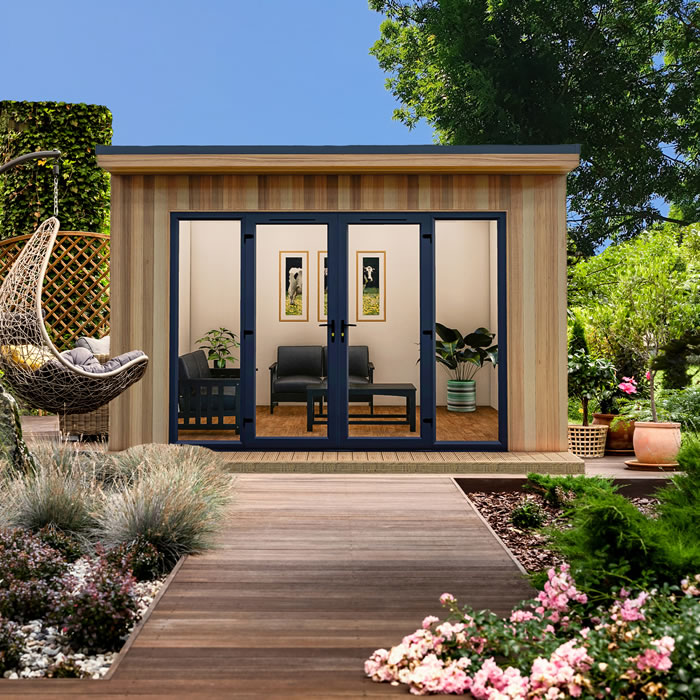
image credit: Future Rooms
The allure of garden rooms lies in their ability to be deeply personal and infinitely versatile. They offer a sanctuary, a creative corner, a hub for family, or a space for solitude. In the bustling life of the UK, where personal space is at a premium, garden rooms provide a unique solution that is both practical and soul-soothing.
The Value Beyond the Price Tag
Opting for a garden room is about more than adding square footage; it’s about creating a versatile retreat. Whether it’s a serene spot for yoga, a dynamic home office, or a cosy nook for relaxation, garden rooms offer a unique blend of functionality and beauty. While the initial outlay might seem substantial, the long-term benefits additional living space, increased property value, and the sheer joy of a personalised escape underscore the investment’s worth.
The cost of a garden room in the UK is as variable as the designs themselves. From budget-friendly, pre-built options to custom-designed spaces that reflect your personal style, there’s a garden room solution to match every budget. Embrace the process of bringing this enchanting addition to your home, knowing it promises to enrich your property and your lifestyle in countless ways.
Garden Rooms
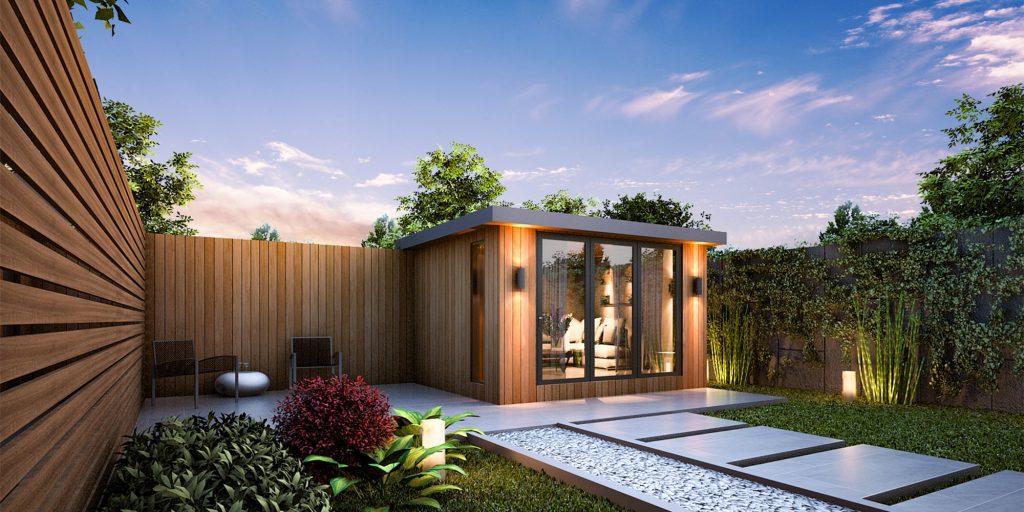
image credit: Eco Rooms
The magic of garden rooms is in the way they encapsulate the essence of British outdoor living elegant, practical, and utterly personal. In the UK’s ever-changing climate, a garden room is your ticket to year-round enjoyment of the outdoors. As you sit back in your garden retreat, you’ll find that the best journey takes you home.
Begin Your Journey
Now is the time to envision your garden room. Whether it’s a minimalist design that echoes the simplicity of nature or a lavish retreat that serves as a testament to your personal style, the garden room is a reflection of your dreams turned into a tangible reality.
The British weather might be unpredictable, but the joy derived from a garden room is constant. As we embrace more time at home, the garden room stands out as a beacon of personalised space. It’s not just about adding square footage; it’s about enhancing life with nature’s touch, one garden room at a time.
Begin your exploration today and turn your garden into the room you’ve always dreamed of. The possibilities are endless, and the outcome is timeless.