

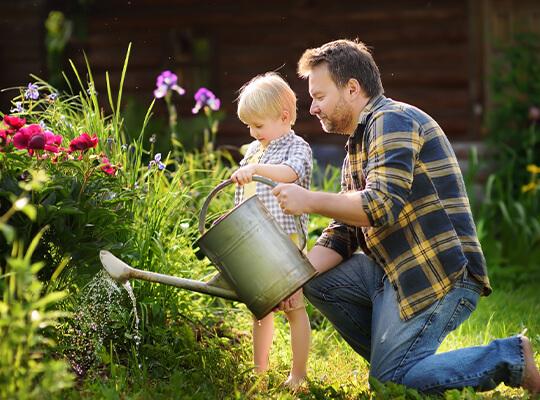
Low maintenance is a term often used when people think about having a garden designed. But what does this actually mean? These days, very few people have the time (let alone the inclination) to spend their evenings and weekends weeding, pruning, dead-heading, and generally micro-managing a labour intensive garden. And of course, there’s absolutely no need for a garden to require that level of attention in order to be both functional and beautiful. But how do you ensure that your garden remains a valuable and attractive asset, without becoming a burden?
Don’t fixate over lawns
Grass may seem like a low-maintenance option, but it needs to be cut at least once every two weeks; ideally more. If you want it to be weed free, you’ll need to regularly treat it with noxious chemicals, which is bad for you and your pets, as well as the environment. And traditional lawns need to be raked and aerated to keep them in good condition.
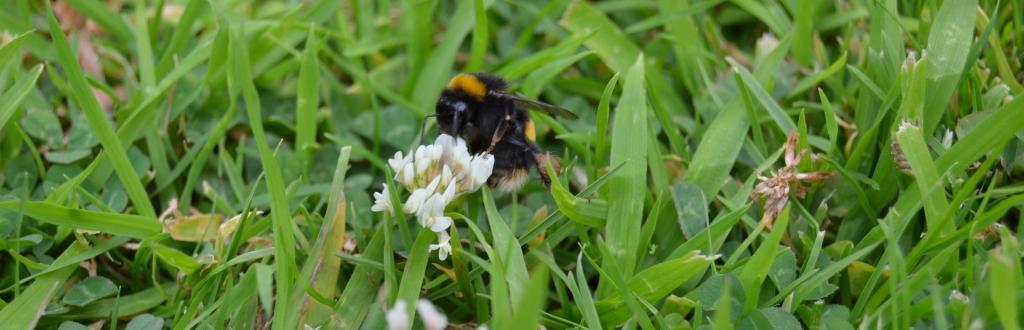
But with the right approach, grass can be lower maintenance. Many lawn ‘weeds’ actually have very pretty flowers. By cutting lawns less often, or on a higher cut, you’ll allow the low-growing lawn flowers like self-heal, clover, daisies and speedwell to turn your lush green mono-culture into a colourful, flowering carpet that will provide food for pollinators (just try not to step on the bees!)
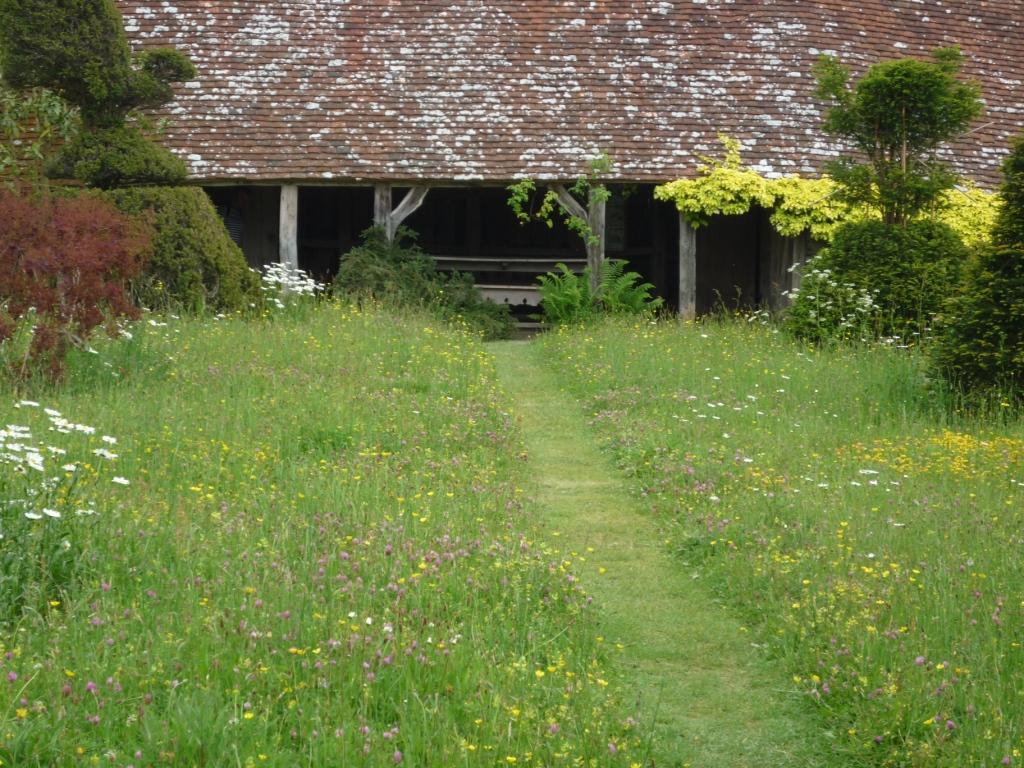
Or you could fully embrace low maintenance garden design, transforming your lawn into a wildflower meadow that only needs cutting once a year. Grass paths ensure easy passage and their mowing is quick and simple.
Take the Smart Approach to Weeds
Weeding can be hard work; all that bending and kneeling, and prising out those un-wanted, un-invited wild plants. But there are techniques to keep them at bay. Mulches smother the ground, excluding light to stop weed seeds germinating. Gravel is very effective in a dry garden planting scheme (reminiscence, perhaps, of Derek Jarman’s famous gravel garden at Dungeness). Organic mulches such as shredded bark feed the soil as well as suppressing weeds.
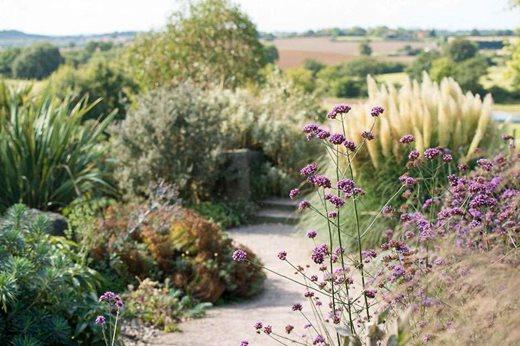
The Dry Garden at RHS Hyde Hall – with beds mulched with gravel
Ground cover plants suppress weeds by out-competing them. It takes a little time, but once established, plants such as Bergenia (‘Elephant’s Ears’) and perennial Geraniums (Cranesbill) mat together to form a dense, low canopy that excludes light to stop weed seeds germinating.
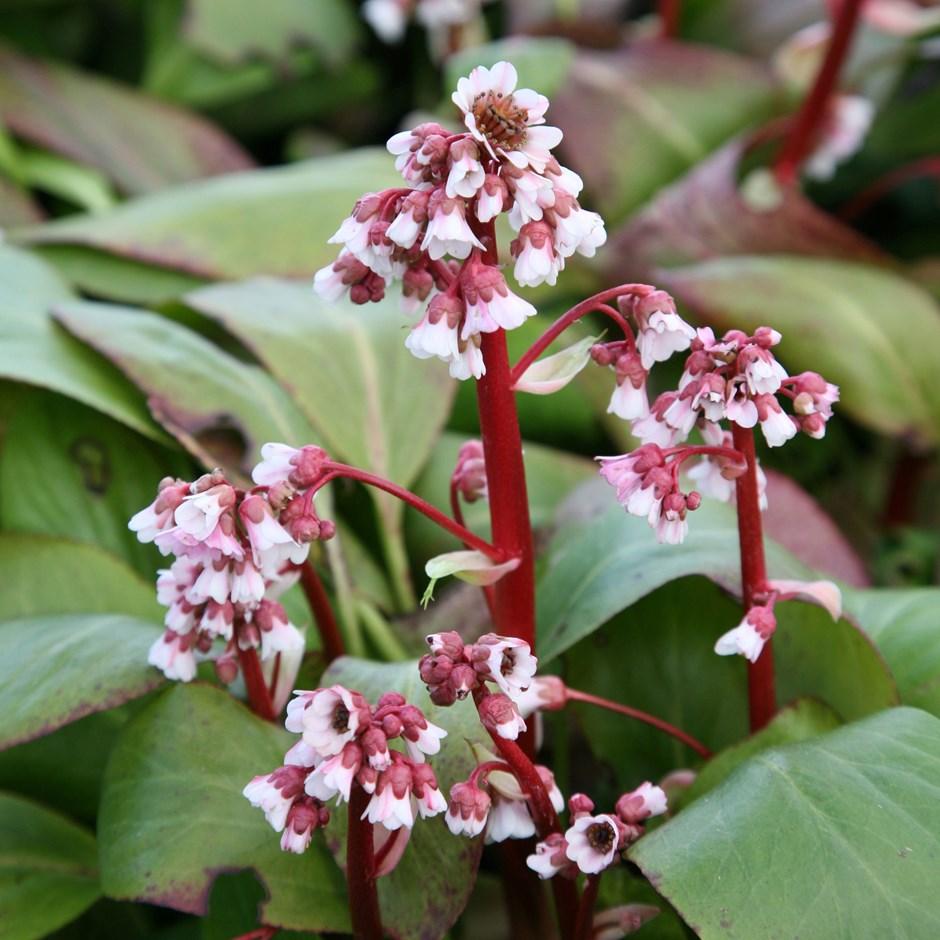
‘Elephant’s Ears’, with its big, tough leaves (hence the name) smothers weeds
Easy Maintenance Space Fillers
Shrubs are typically under-used and under-rated. But many are very beautiful and can fill a lot of space, while needing little attention. The best garden designs make full use of vertical space, from the ground up to the tree canopy. Shrubs fill in the space between, presenting their floral, textural, and sometimes architectural beauty at around eye level; where it’s easily visible. Those that need pruning (and many won’t) need only be pruned once a year. And it’s quick and easy – forget about all those esoteric rules in old gardening tomes; with only a few simple guidelines you can’t go too far wrong.
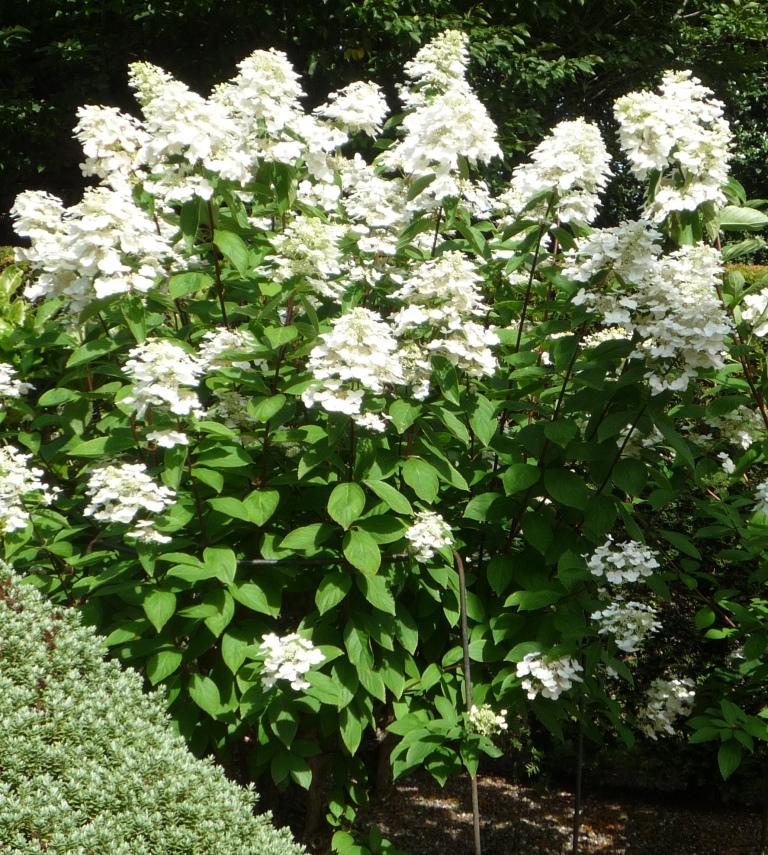
Magic doesn’t exist (but don’t tell the children)
Remember that ‘low maintenance garden design’ isn’t ‘no maintenance’. Every garden will involve some work. You wouldn’t expect your house to clean itself, so why would you expect your garden to weed itself?
Nowadays we talk of gardens as being an extension of the house; an extra room. But what a room! – a ‘living’ room (as opposed to a living room) that grows and becomes ever more attractive, with relatively little intervention from you. Imagine if your interior decor could do that – with plush carpet sprouting up from bare floorboards; and intricate, colourful patterns spreading across plain walls. Impossible, but wouldn’t it be amazing? But that’s exactly what happens in a garden, so perhaps I was wrong – magic does exist, after all.
Low Maintenance Garden Design
Long after that wallpaper you chose has faded, your feature wall is scuffed and chipped, and your furniture has gone out of fashion, the tree you planted in your garden will be in its prime and looking wonderful.
And while you may consider your garden to be small, in most cases it will be the biggest room you have.
So while chasing the holy grail of low maintenance garden, don’t begrudge a little work to keep your garden looking good. Gardening tasks can be fun, good exercise, and get you out into the fresh air.
Written by:- Graham Wright
In-house horticulturist