

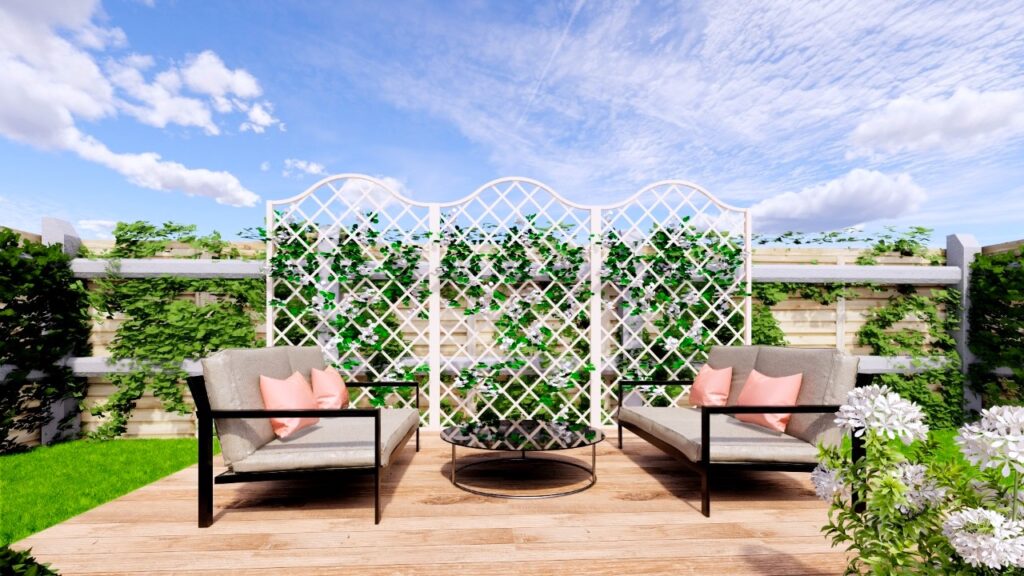
As the sun climbs higher and the days stretch longer, there’s a palpable sense of renewal in the air. Spring, with its promise of new beginnings, is the perfect season to transform your garden into a haven of beauty and tranquility. At House Designer, we believe that everyone in the UK deserves a garden that not only reflects their personal style but also complements their lifestyle. This belief is at the heart of our mission: to offer professional, affordable garden design services starting from just £299.
Why a Garden Makeover is More Than Just Aesthetics
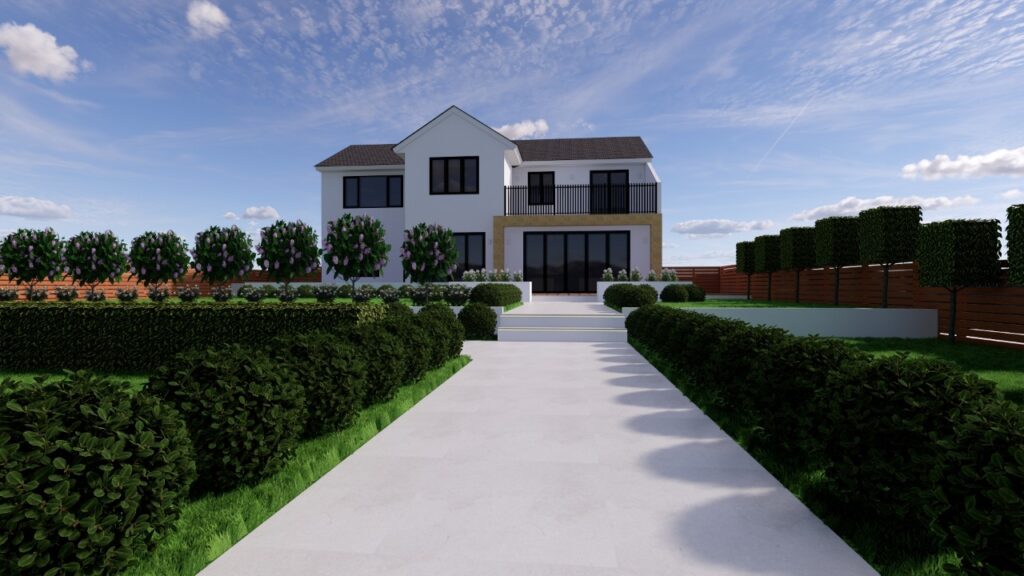
image credit: House Designer
A garden makeover is more than just an upgrade to your home’s exterior. It’s about creating an outdoor sanctuary where you can unwind, entertain, and connect with nature. Whether you’re dreaming of a vibrant flower garden, a practical vegetable patch, or a sleek, modern outdoor space, the right design can significantly enhance your quality of life.
The House Designer Advantage
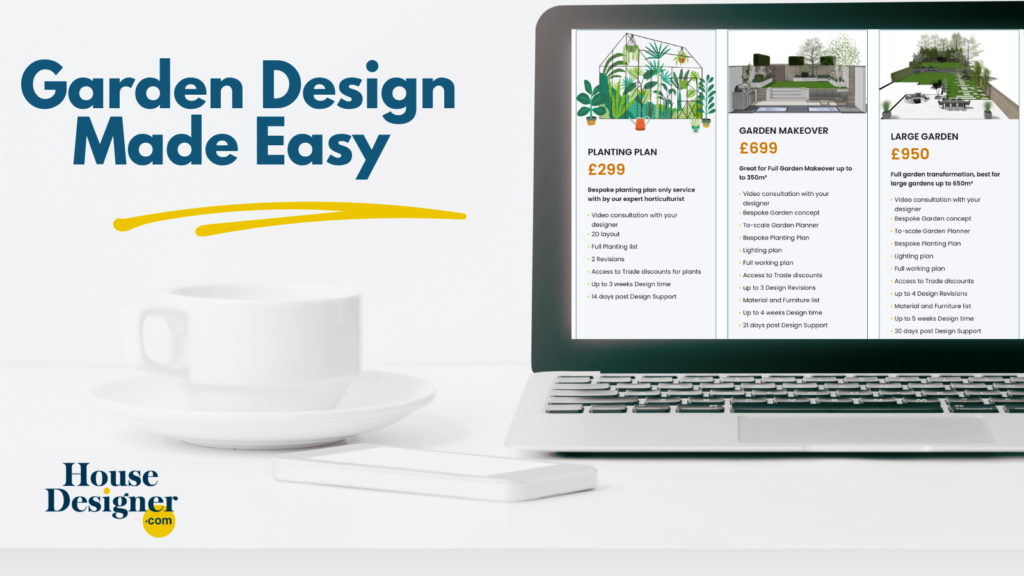
image credit: House Designer
What sets House Designer apart is our commitment to making professional garden design accessible and affordable. Our packages cater to various needs and budgets, ensuring that whether you have a small urban balcony or a sprawling rural garden, you can achieve your garden goals without breaking the bank. Check out our Garden Design Packages
- Tailored Design Solutions: Every garden is unique, and so are your requirements. Our team of expert designers works closely with you to understand your vision and bring it to life. Whether it’s a cosy corner for meditation, a lively space for family gatherings, or a productive area for home-grown vegetables, we design with your needs in mind.
- Expertise Across Styles: Our designers are well-versed in a multitude of gardening styles. From classic English gardens to contemporary minimalist landscapes, we have the expertise to create a space that resonates with your personal aesthetic. Check out our Garden Portfolio
- Sustainability at the Core: We believe in creating gardens that are not only beautiful but also sustainable. Our designs often incorporate eco-friendly practices, such as drought-resistant plants, wildlife-friendly elements, and organic gardening techniques, ensuring that your garden is not just a visual delight but also a boon for the environment.
- Accessible Across the UK: No matter where you’re located in the UK, House Designer’s services are just a click away. Our online platform makes it easy to connect with professional designers, get expert advice, and see your garden project take shape, all from the comfort of your home.
The Perfect Time for a Garden Revamp
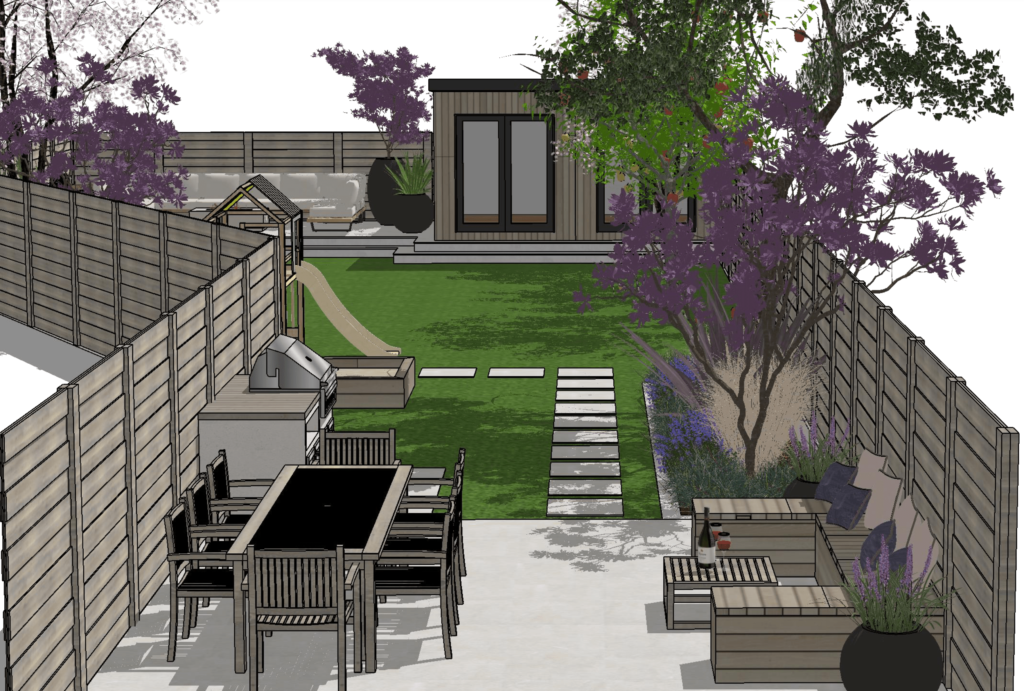
image credit: House Designer
Spring is the season of growth and rejuvenation, making it the ideal time to embark on your garden makeover journey. The milder weather conditions are perfect for planting a wide variety of flora, laying new lawns, and installing garden features. Moreover, starting now means you can enjoy your new garden throughout the summer and beyond.
How We Work: Bringing Your Garden to Life
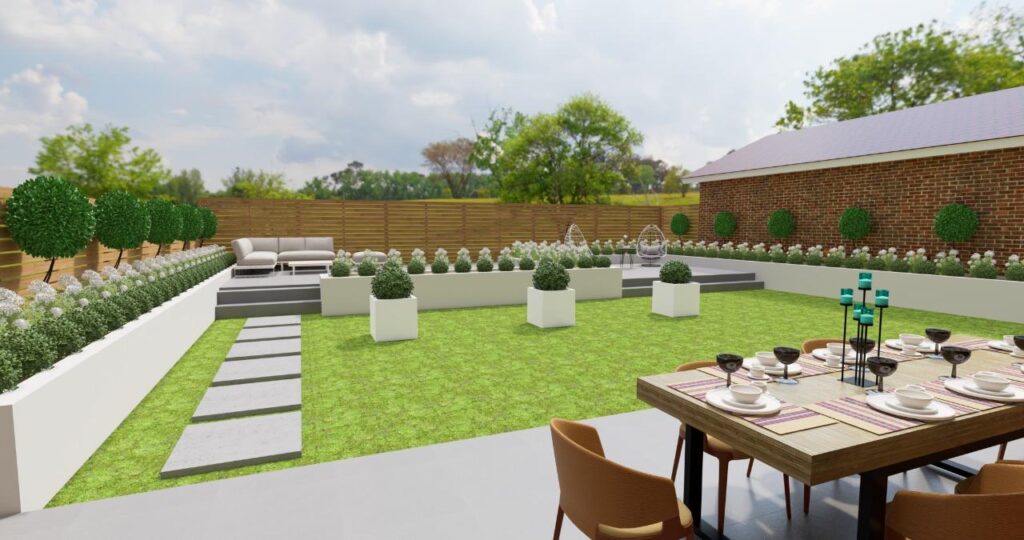
image credit: House Designer
Our garden design process is straightforward yet thorough. It begins with a garden consultation where we discuss your ideas, preferences, and requirements. Following this, our designers craft a bespoke plan that includes layout, plant choices, and other design elements. We then provide a comprehensive guide for implementing the design, complete with a shopping list and maintenance tips.
Throughout the process, we maintain open communication, ensuring your feedback is incorporated, and any concerns are addressed promptly. Our goal is to make the journey to your dream garden as seamless and enjoyable as possible.
Transform Your Outdoor Space with House Designer
Your garden is more than just an extension of your home; it’s a canvas for your imagination, a retreat for your soul, and a space that can enhance your lifestyle in numerous ways. With House Designer, achieving the garden of your dreams is not just possible; it’s easy and affordable.
As you witness the first buds of spring unfold, remember that it’s the perfect time to start planning your garden makeover. Let House Designer be your partner in this exciting journey, and together, we can create an outdoor space that you’ll love for years to come.