
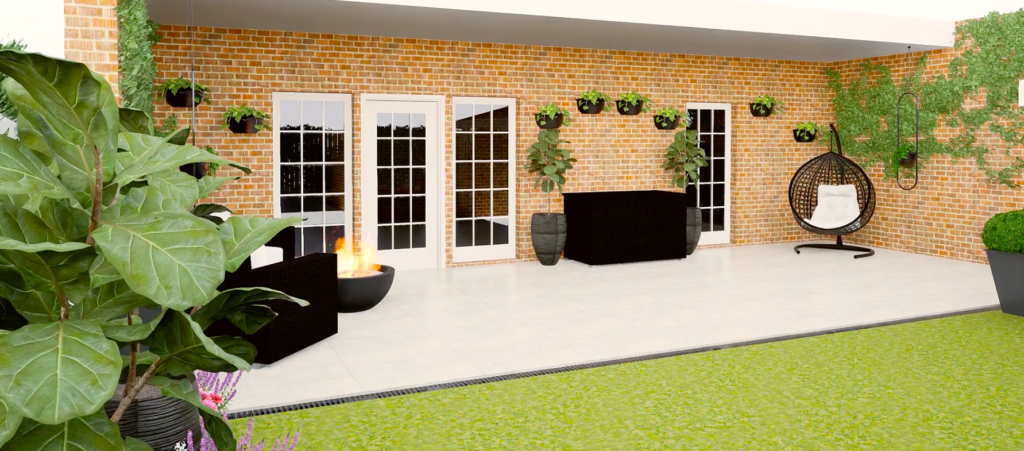
Contemporary outdoor patio with fire pit, lounge seating, wall-mounted plants, and hanging chair against a brick wall backdrop.

How to Transform Your Garden on a Budget

A garden makeover on a budget is absolutely possible if you know where to spend, where to save and where a bit of effort replaces the need for money. You do not need a massive budget to end up with a garden that feels properly designed. You just need a plan and the willingness to be resourceful about how you get there.

We work with clients at every budget level, and some of the most satisfying projects we have delivered have been the ones where the budget was tight but the thinking was smart. Here is what actually works when you want to transform your outdoor space without overspending.

Plan Before You Plant

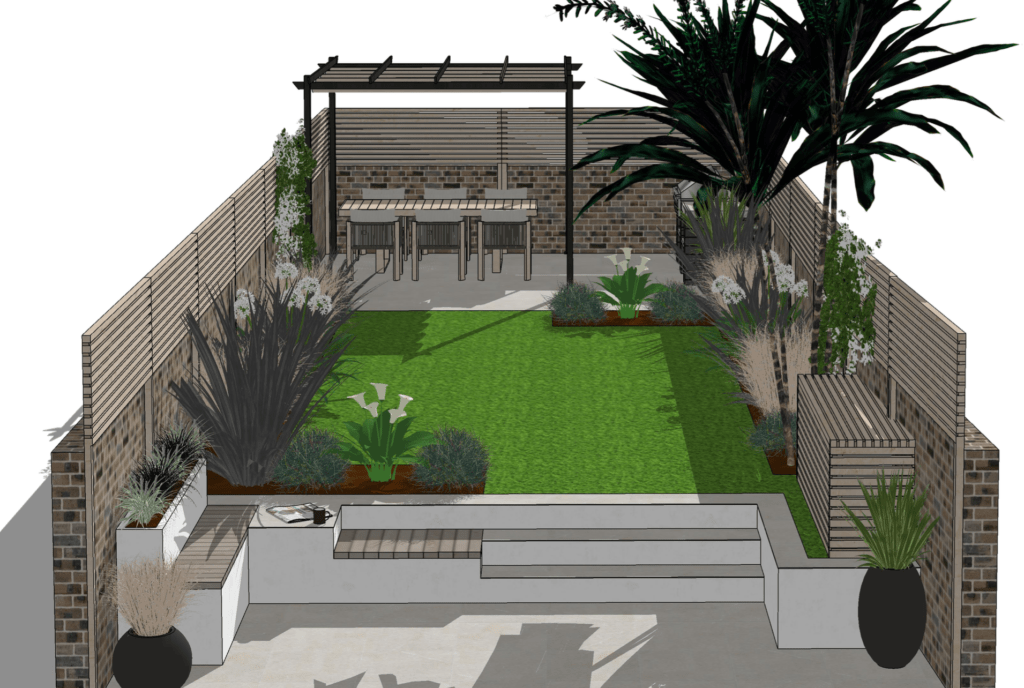
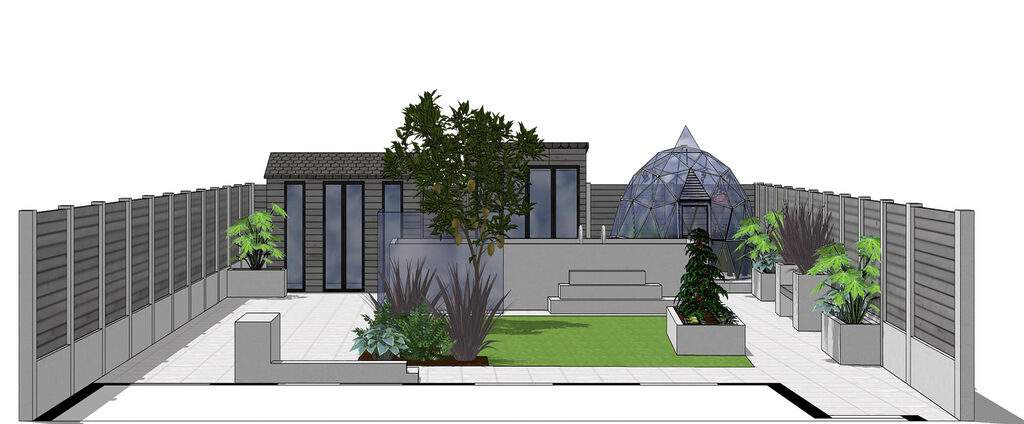
Landscape design visual showing structured garden with lawn, pergola, planters, and seating, blending greenery with hardscaping.

The biggest waste of money in any garden project is buying things without a plan. Plants that end up in the wrong spot and die. Paving that does not quite fit. A seating area that turns out to be in shade all afternoon. Every one of those mistakes costs money to fix.

Before you spend anything, sketch out your garden and decide what you want each area to do. Where will you sit? Where do the kids play? Which beds need replanting and which are fine as they are? A clear plan helps you focus your budget on the changes that will make the biggest difference and avoid spending on things that do not matter.

If you want a professional layout without the cost of a full design, our planting plan service starts from £399 and gives you a detailed scheme your landscaper can work from. It is often the most cost-effective investment you can make because it prevents the expensive trial-and-error approach.

Spend on Structure, Save on Decoration

The one area where it pays to spend properly is the bones of the garden: paths, patios, fencing and any raised beds or retaining walls. These are the elements that define the space and they need to last. Cheap paving that cracks after one winter or fencing that blows over in the first storm will cost you more in the long run than buying something decent the first time.

Where you can save is on everything that sits on top of that structure: pots, planters, furniture, cushions, lighting and decorative accessories. These are the things that are easy to upgrade, replace or find second-hand. Our guide on choosing patio materials covers which surfaces give you the best value for money at different price points.

Shop Smart for Plants

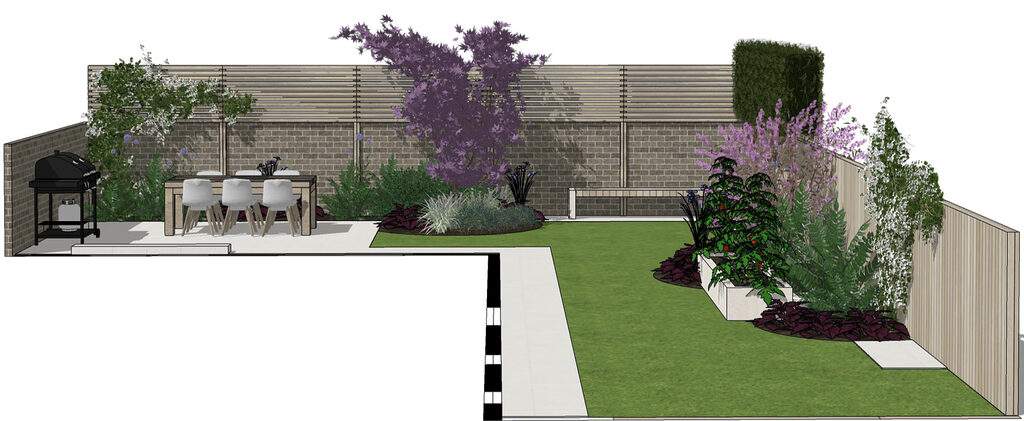
Affordable planting scheme service in the UK with tailored plant selections for a thriving garden

Plants are one of the easiest places to save money if you know the tricks. Garden centres charge a premium for large, mature specimens. Buy smaller plants in 9cm or 1-litre pots and let them grow. A perennial that costs £3 in a small pot will reach the same size as the £15 version within a single growing season.

Local plant sales, community markets and end-of-season clearances at nurseries are all worth watching. Many independent nurseries sell perfectly good plants at a fraction of garden centre prices. Online nurseries like Crocus and Hayloft often run multi-buy offers that bring the per-plant cost down significantly.

Swapping cuttings with friends and neighbours is another way to fill beds without spending. Most gardeners are happy to share divisions of established perennials like geraniums, hostas, sedums and ornamental grasses.

Propagate What You Already Have

Online garden design service providing digital plans and planting schemes in the UK

Before buying anything new, look at what is already growing in your garden. Many plants can be multiplied for free through division, cuttings or self-seeding.

Perennials like lavender, rosemary, salvias and penstemons root easily from cuttings taken in late spring or early autumn. Push a 10cm cutting into a pot of gritty compost, keep it moist, and you will have a new plant within a few weeks. Clump-forming plants like ornamental grasses, hostas and heucheras can be dug up and split into several plants every two to three years. Each division is a free plant that is already adapted to your soil and conditions.

If you want to know which plants will thrive in your specific garden, our naturalistic planting guide covers the perennial species that perform best in UK conditions and multiply easily over time.

Make Your Own Compost and Mulch

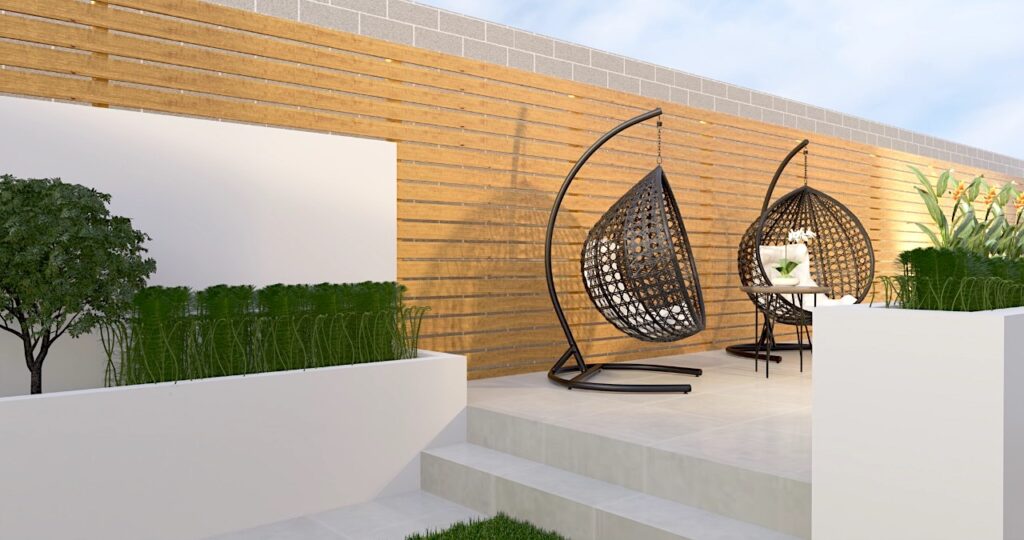
Lush landscaped garden featuring outdoor chairs, fire pit, trees, and colourful plants creating a cosy modern seating area.

image credit: House Designer

Bagged compost and mulch from the garden centre is one of the biggest hidden costs in gardening. A few bags for a border refresh is manageable, but if you are mulching an entire garden, the cost adds up fast.

Start a compost bin with kitchen scraps, garden trimmings and cardboard. Within six to twelve months you will have free, nutrient-rich compost that is better for your soil than anything in a bag. For mulch, contact local tree surgeons and ask for wood chip. Many will deliver it free because it saves them disposal costs. Spread it 5 to 8cm deep on beds and it suppresses weeds, retains moisture and breaks down into the soil over time.

Autumn leaves make excellent leaf mould if you bag them up and leave them for a year. Free, easy, and your plants will love it. Our biodiversity gardening guide covers more sustainable practices that save money while supporting wildlife.

Second-Hand Finds Add Character

Some of the best-looking gardens we have designed include reclaimed and second-hand elements. Vintage terracotta pots, old stone troughs, weathered timber planters and reclaimed brick all bring a warmth and authenticity that brand-new garden accessories cannot replicate.

Charity shops, Facebook Marketplace, Gumtree and local reclamation yards are all good sources. Car boot sales in spring and summer often have garden items at a fraction of retail price. Reclaimed bricks and stone can also be sourced from local demolition projects, sometimes for free if you are willing to collect them yourself.

Create Paths and Edging on a Budget

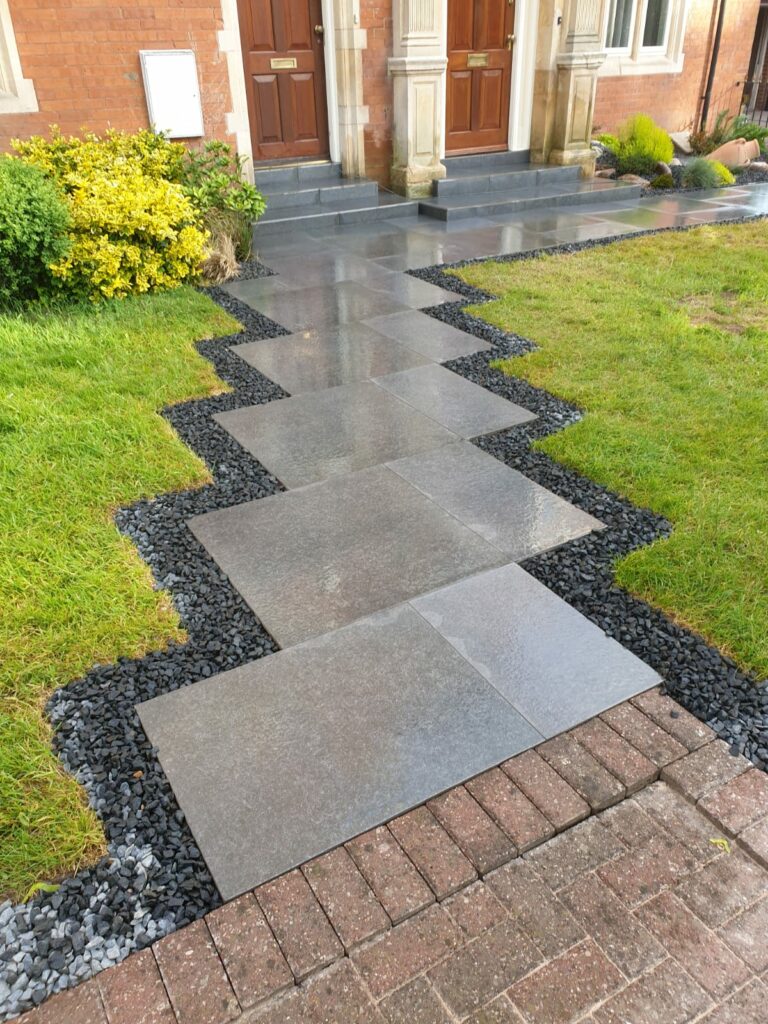
Contemporary garden pathway with grey tiles, black gravel edging, and a clean, geometric design leading to a traditional home entrance

image credit: House Designer

Paths add structure and purpose to a garden immediately, and they do not need to be expensive. Gravel is one of the cheapest and most effective path materials. A bulk bag of gravel (around £60 to £90 for a tonne) will cover a significant area when laid over a weed membrane. Choose a warm-toned gravel like golden flint or buff limestone rather than grey, which can feel cold and industrial.

Reclaimed bricks laid in a herringbone or stretcher bond pattern make a beautiful path and can often be sourced for less than new paving. Stepping stones set into a lawn are another low-cost option that adds visual interest and a sense of direction through the garden.

For edging, natural stone, old bricks or simple timber boards define beds neatly without costing much. Steel or aluminium lawn edging (around £5 to £8 per metre) gives a crisp, contemporary line between lawn and planting that looks professional.

Lighting Transforms a Garden for Very Little

Outdoor lighting is one of the highest-impact, lowest-cost upgrades you can make to a garden. A set of solar stake lights costs under £20 and immediately changes how the garden feels in the evening. Battery-powered festoon lights strung over a seating area create atmosphere that makes even a basic patio feel like somewhere you want to spend time.

For something more permanent, low-voltage LED garden spike lights (around £15 to £30 each) uplighting a tree or a wall can make a small garden feel dramatic after dark. Our guide to outdoor garden lighting covers positioning, types and what works best for different garden sizes.

Take It Step by Step

You do not need to do everything at once. In fact, phasing a garden makeover over several months often gives better results because you can live with each change before committing to the next. Start with the area you will use most, usually the patio or main seating area, and work outward from there.

A phased approach also spreads the cost. Tackle the hard landscaping first (paths, patio, fencing), then the planting, then the accessories and lighting. Each phase is a manageable spend, and the garden improves visibly at every stage.

When Professional Help Is Worth the Investment

Garden Design Service UK

Even on a tight budget, professional design input can save you money overall. A designer spots problems you would not think of (drainage issues, plants in the wrong position, a patio that is too small for your table) and prevents the costly trial-and-error approach that eats through budgets.

Our garden design packages start from £399 for a planting plan and from £899 for a full garden design including layout, planting and 3D visuals. Many clients find the design pays for itself through smarter material choices and fewer mistakes during the build. For a full breakdown of costs, our article on how much a garden designer costs in the UK covers the pricing landscape.

Not sure where to start? Take our free style quiz or book a free consultation with our garden design team.

1783 785 Mirela Bajic