

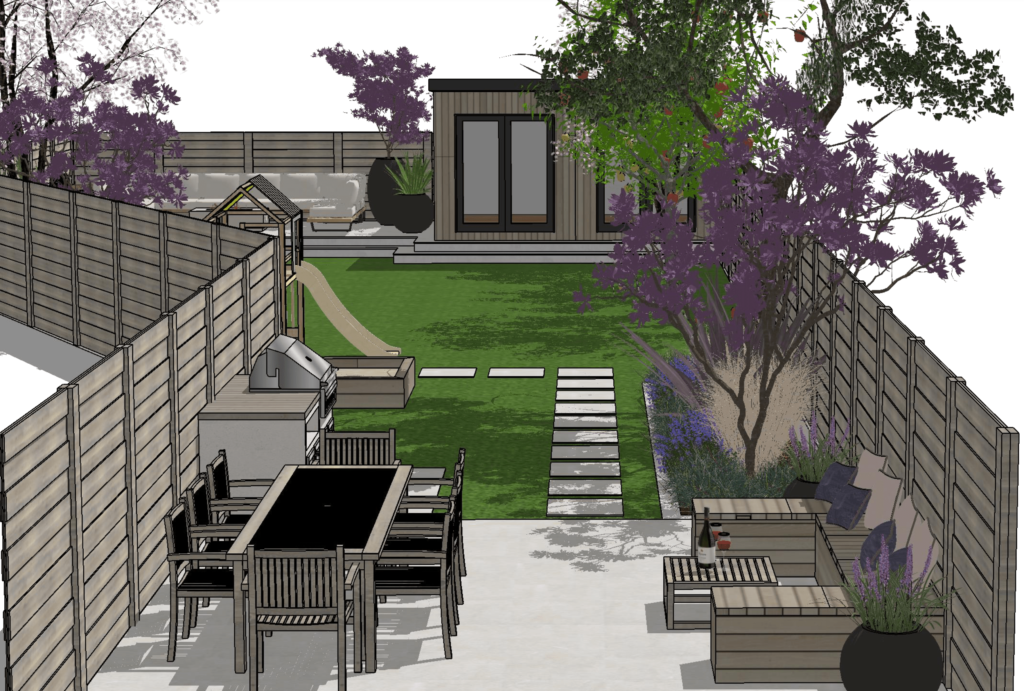
Designing a garden is an exciting venture that allows you to transform your outdoor space into a lush and vibrant haven. However, amidst the enthusiasm, it’s crucial to steer clear of common garden design mistakes that can impact the overall appeal and functionality of your green haven.
In this article, we’ll explore key garden design mistakes and provide insights on how to avoid them.
Ignoring Proper Planning
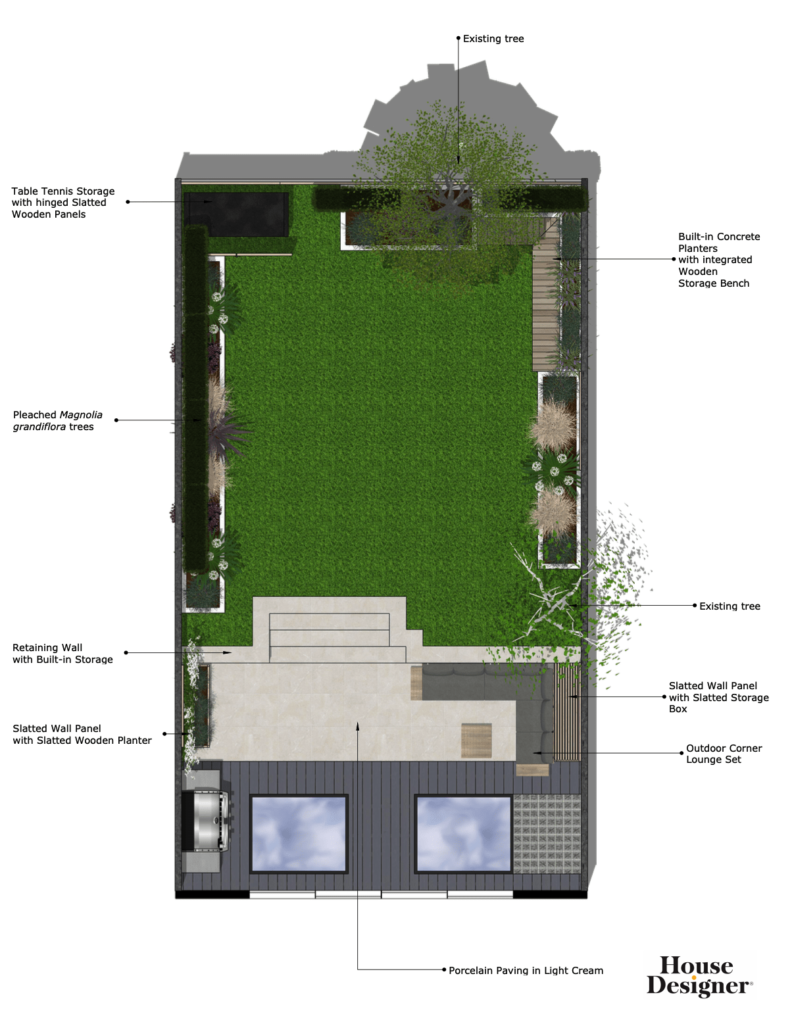
image credit: House Designer
One of the most significant mistakes is diving into garden design without a well-thought-out plan. Neglecting to consider factors such as sunlight exposure, soil quality, and space utilisation can lead to a garden that doesn’t thrive. Take the time to plan, envision your garden’s layout, and consider the needs of the plants you intend to cultivate.
Overlooking Plant Compatibility
Choosing plants solely based on aesthetic appeal without considering their compatibility with the local climate and soil conditions is a common pitfall. Research and select plants that thrive in your region, ensuring they receive the right amount of sunlight and water. This approach fosters a healthy and flourishing garden.
Neglecting Soil Health
Healthy soil is the foundation of a successful garden, yet it’s often overlooked. Failing to assess and improve soil quality can hinder plant growth and overall garden vitality. Conduct a soil test to understand its composition and nutrient levels, then amend it accordingly to create an optimal environment for plant roots.
Overcrowding Plants
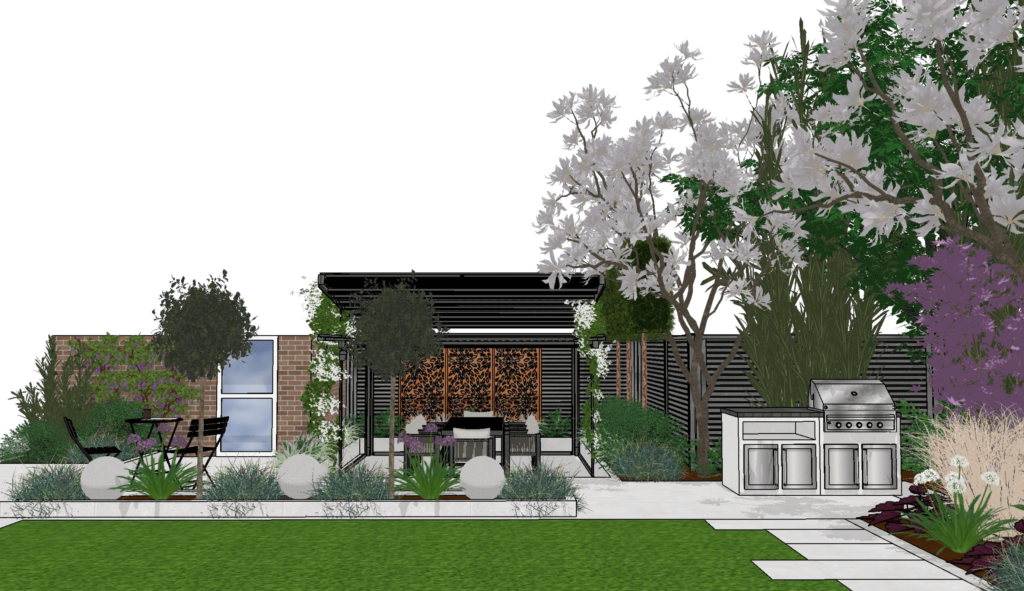
image credit: House Designer
A garden filled to the brim may seem lush initially, but overcrowding plants can lead to competition for resources like sunlight, water, and nutrients. Ensure proper spacing between plants to allow for healthy growth and prevent issues such as disease and pest infestations. To avoid this common mistake use our professional planting plan service
Ignoring Seasonal Interest
Designing a garden that lacks seasonal interest can result in a visually monotonous space. Include a variety of plants that bloom or showcase vibrant foliage during different seasons. This not only keeps your garden visually appealing but also ensures year-round enjoyment.
Forgetting About Maintenance

Designing a garden that requires extensive maintenance without considering the time and effort you can realistically invest is a common oversight. Choose plants and features that align with your maintenance preferences, whether you prefer a low-maintenance garden or have the time for more intensive care.
Disregarding Garden Lighting
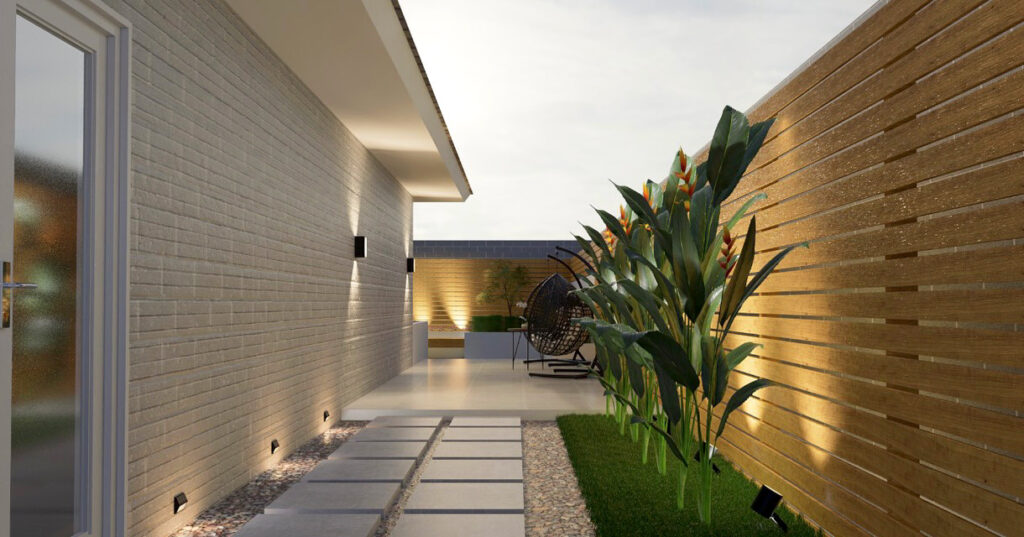
image credit: House Designer
Outdoor lighting is a key element that often gets overlooked. A well-designed garden should be enjoyed during the day and night. Incorporate strategic lighting to highlight focal points, pathways, and key plantings, creating an inviting ambiance after sunset.
Our Garden makeover packages include lighting plan. We also over exterior lighting design as a service.
Neglecting Hardscape Considerations
Focusing solely on plants and greenery without incorporating thoughtful hardscape elements is a design mistake. Integrate features like paths, patios, and seating areas to enhance functionality and create a balanced, well-designed outdoor space.
Looking for garden design ideas? See some of the beautiful outdoor spaces we have created for clients.
Not Hiring a Professional Garden Designer
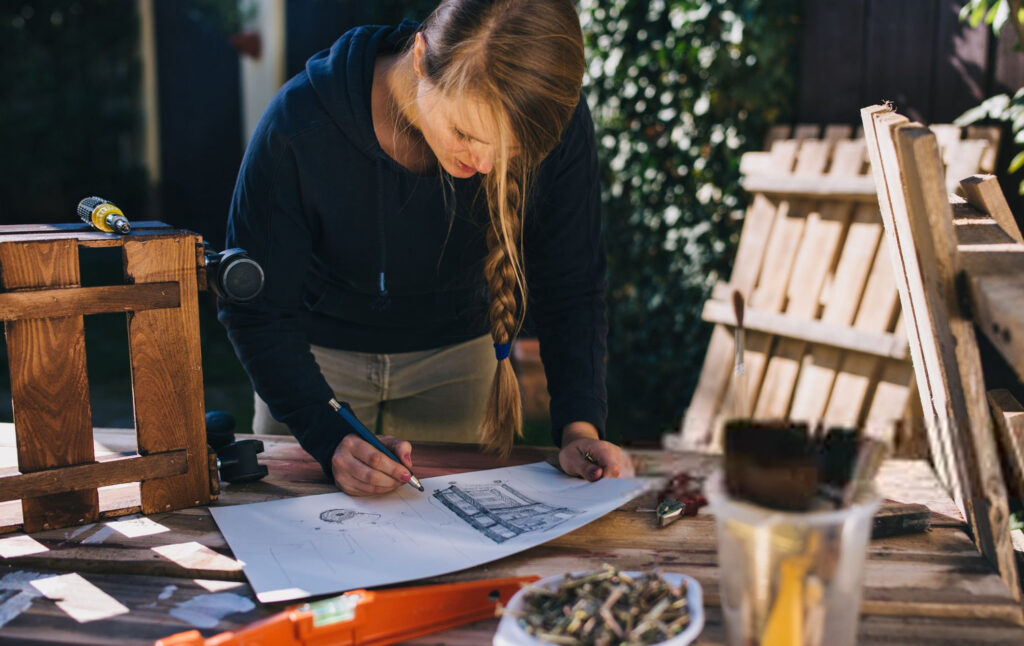
Hiring a professional garden designer for your landscape project is one of the smartest investment decisions for your garden. A professional garden designer will help you with the entire process, allowing you to create a visually appealing and most importantly an easy-to-maintain garden. Learn more about our affordable garden design services.
Garden Design Mistakes to Avoid
Avoiding these common garden design mistakes will set you on the path to creating a stunning and thriving outdoor oasis. Remember, a successful garden is a harmonious blend of aesthetics, functionality, and sustainable practices. By carefully planning, selecting suitable plants, and considering essential design elements, you’ll craft a garden that delights the eyes.
Looking for a garden makeover?
Our team of professional garden designers transform your outdoor space at an affordable price