

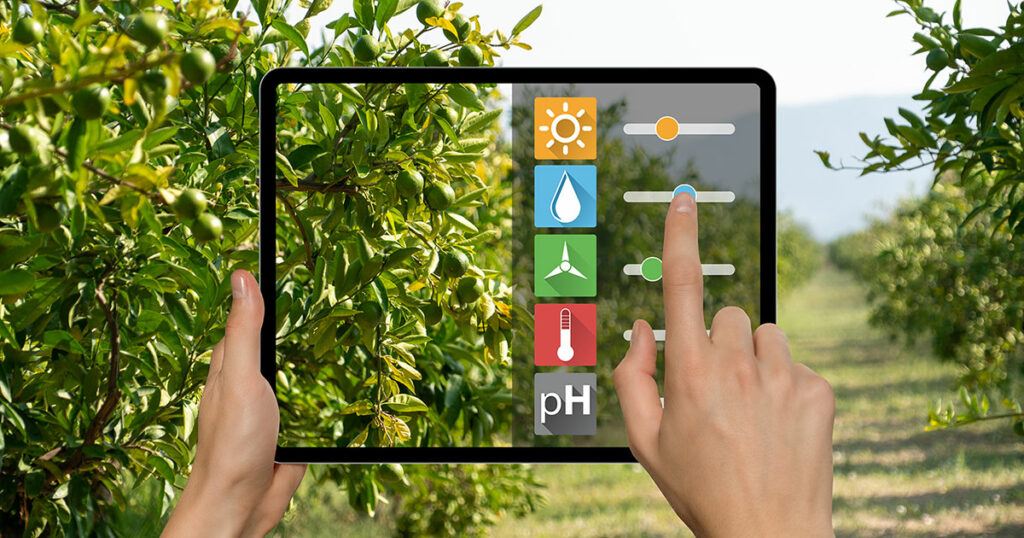
The future of gardening is sprouting with exciting innovations, blending timeless gardening wisdom with the latest technology. This new era promises to make gardening more sustainable, efficient, and enjoyable. Let’s explore the promising future of gardening, where tradition meets innovation.
Sustainable Gardening as the Norm
Sustainability is not just a trend; it’s the cornerstone of the future garden. As environmental consciousness deepens, gardening practices are adapting to prioritise sustainability. From water-saving irrigation systems to composting initiatives and organic gardening methods, the future garden is a beacon of eco-responsibility.
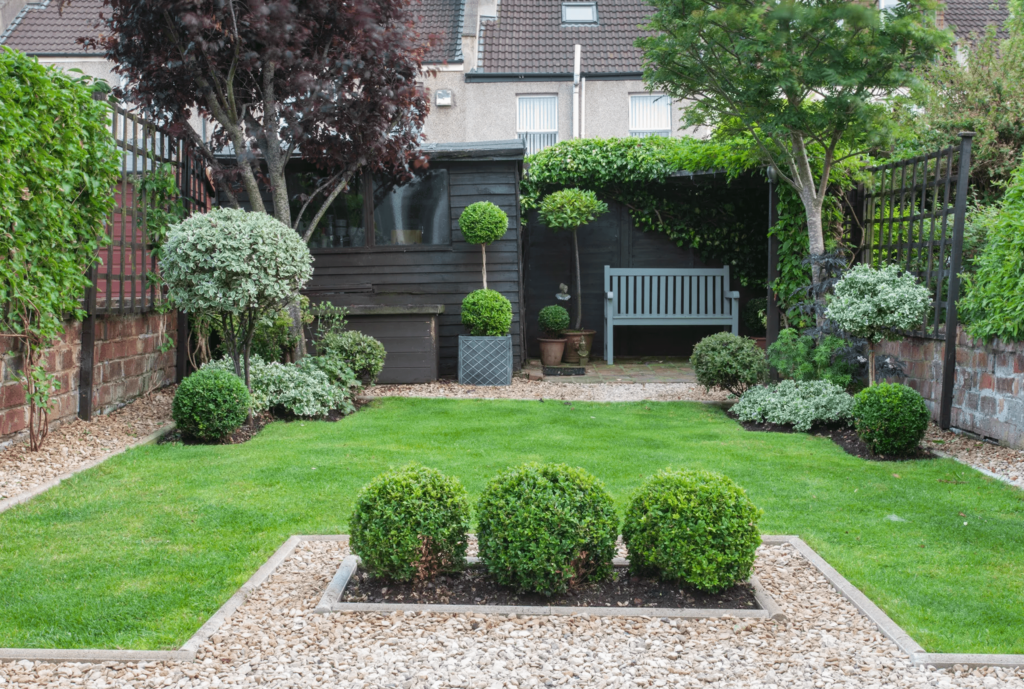
Smart Gardens: A Digital Green Thumb
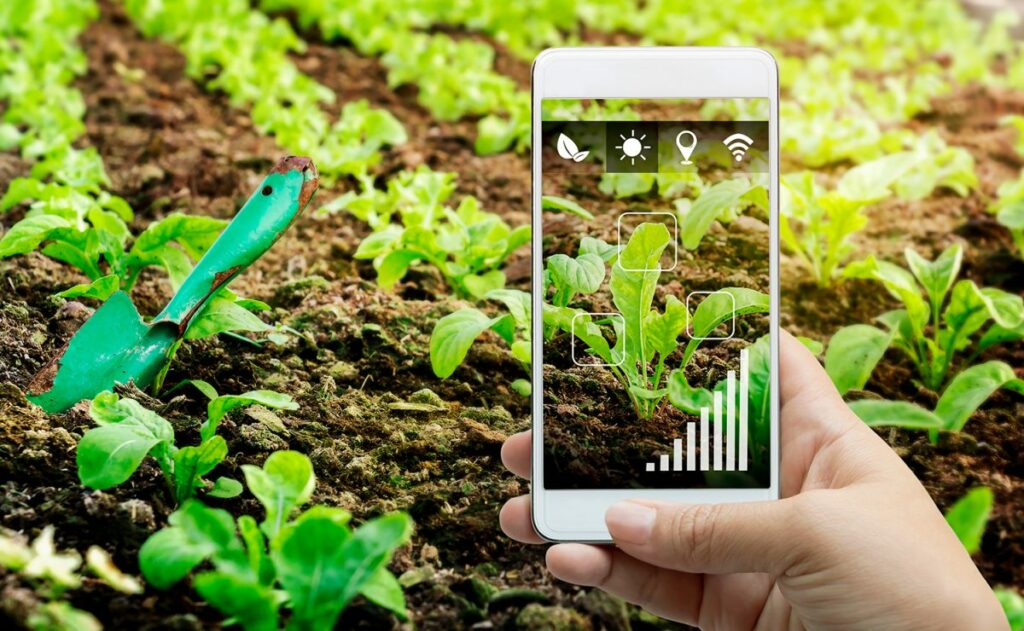
The integration of technology into gardening is evolving beyond smart watering systems. Tomorrow’s gardens will be smart, connected ecosystems. Imagine gardens equipped with AI-powered plant care assistants, robotic pollinators, and sensors that monitor plant health in real-time. These smart gardens will adapt and respond to the unique needs of each plant, creating optimal conditions for growth.
Vertical Farming Revolutionising Urban Spaces
As urbanization continues, the future of gardening finds innovative solutions in vertical farming. Vertical farms, utilising space-efficient, stacked growing systems, are sprouting in urban landscapes. These farms employ controlled environments, hydroponic or aeroponic systems, and LED lighting to cultivate crops vertically, reducing the need for extensive horizontal land.
Bio-Inspired Design for Resilient Gardens
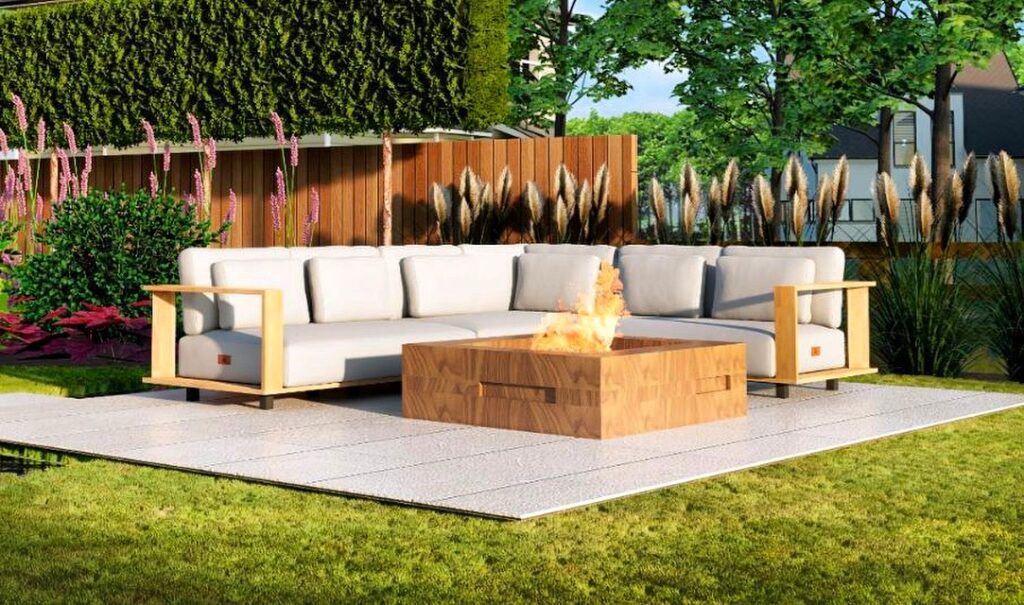
Nature has always been the best teacher. Future gardens are embracing bio-inspired design principles that mimic natural ecosystems for resilience and efficiency. From biomimetic irrigation systems inspired by plant root structures to self-regulating microclimates inspired by forest canopies, gardens of the future will draw inspiration from the intricate balance found in the natural world.
Robotics and Drones in Garden Management
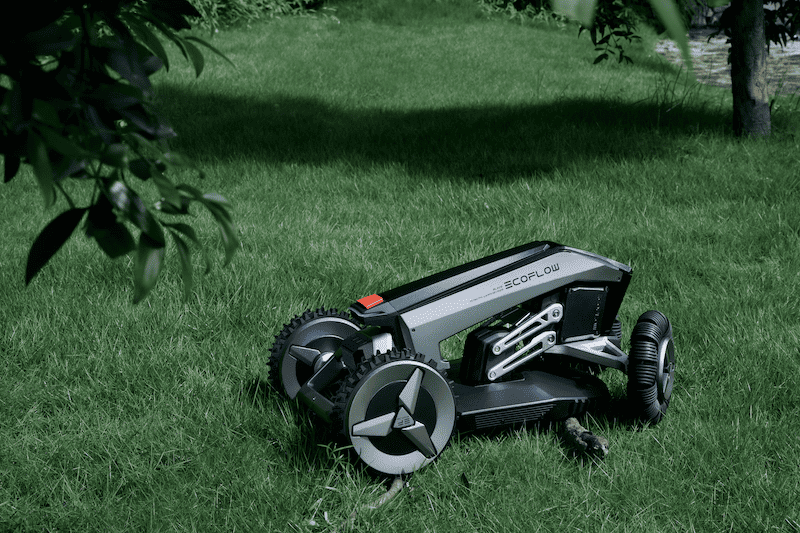
Say hello to robotic garden helpers and aerial drone companions. Robots equipped with precision tools can handle labor-intensive tasks like weeding, planting, and harvesting, freeing up time for gardeners to focus on more creative aspects. Drones, on the other hand, can provide a bird’s-eye view of the garden, monitoring plant health, detecting pests, and even aiding in planting.
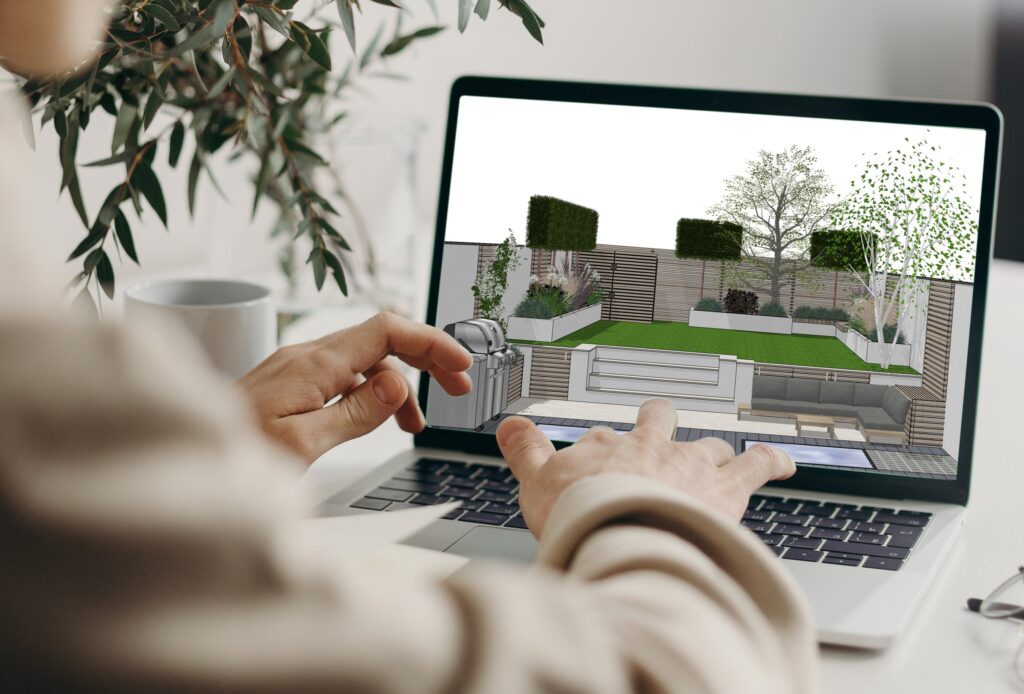
3D Garden Design
Augmented reality (AR) is set to transform the gardening experience. Picture donning AR glasses to visualize how different plants would look in your garden or receiving real-time information about soil conditions as you explore your outdoor space. AR applications will guide gardeners through tasks, offer plant identification, and provide immersive experiences to enhance gardening skills.
Biodegradable Planting Materials
The future of gardening sees a departure from traditional plastic pots and synthetic materials. Biodegradable planting materials made from sustainable sources are gaining popularity. From pots that decompose into nutrient-rich soil to plant labels made from biodegradable materials, these innovations reduce environmental impact and align with the ethos of a greener tomorrow.
DNA-Based Seed Technology
Seed technology is advancing with the integration of DNA-based approaches. Scientists are exploring DNA sequencing to optimise seed varieties for specific climates and conditions. This precision breeding allows for the creation of crops that are more resilient, disease-resistant, and better adapted to changing environmental factors.
Community Gardens as Social Hubs
Beyond individual plots, community gardens are evolving into dynamic social hubs. Future community gardens will incorporate shared spaces for education, social events, and collaborative gardening efforts. These spaces will foster a sense of community, promote knowledge exchange, and contribute to the well-being of residents.
Hyper-Personalised Plant Care
The future gardener will enjoy hyper-personalised plant care. AI algorithms will analyze data from soil sensors, weather forecasts, and plant health metrics to tailor care recommendations for each individual plant. Customised care plans delivered through smart devices will empower gardeners with actionable insights, ensuring the well-being of their green companions.
Nurturing the Seeds of Tomorrow
As we peer into the future of gardening, it’s evident that the seeds of innovation are germinating. Tomorrow’s gardens will not only be spaces of beauty and sustenance but also hubs of technology, sustainability, and community. From sustainable practices that echo nature’s wisdom to the integration of robotics, AI, and biotechnology, the future of gardening is a vibrant tapestry where tradition and innovation intertwine.
The future of Garden Design
As stewards of the Earth, garden designers such as House Designer are sowing the seeds of a more sustainable, connected, and resilient future. It’s a future where technology serves as a green thumb, empowering individuals and communities to cultivate flourishing gardens that not only provide sustenance but also contribute to the well-being of the planet.
So, let’s embrace the future of garden design with open arms, nurturing the green legacy that will blossom for generations to come.