
Bohemian living room design with colourful textiles and eclectic décor

Boho Chic Interior Design: How to Bring the Bohemian Style Into Your Home

Boho chic, or bohemian interior design, is one of the most personal and expressive styles in the home design world. It is built around the idea that a home should feel collected rather than curated — a space that accumulates character over time through the things you love rather than through a prescribed formula. Rich colour, layered texture, natural materials, and a relaxed attitude to mixing periods and patterns are all central to the look.

If you are drawn to interiors that feel warm, individual, and full of life, this guide covers everything you need to know about bringing bohemian style into your home.

Embrace Colour and Pattern Confidently

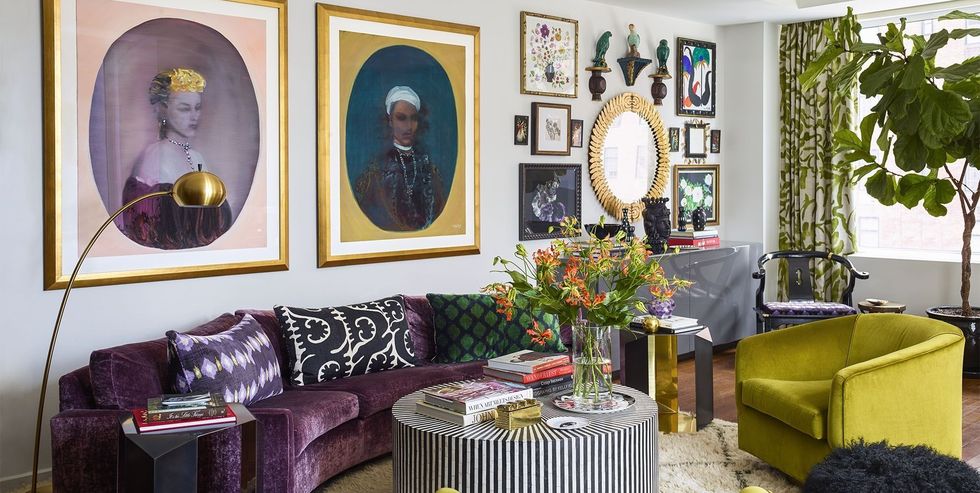
Maximalist bohemian living room with velvet sofa, gallery wall and bold jewel-toned colour scheme

Photo credit: Eric Piasecki, Elle Decor

Boho interiors are known for their use of rich, warm colour. Deep terracotta, burnt orange, forest green, mustard yellow, and jewel tones like plum and teal are all characteristic of the palette. The key is warmth rather than brightness. These are earthy, saturated tones that create a sense of envelopment rather than energy. For tips on creating a cosy atmosphere with colour and lighting, layering and intentional choices make all the difference.

Pattern mixing is equally important. Geometric prints, ethnic textiles, floral motifs, and abstract designs can all coexist in a bohemian room when they share a similar warmth of tone. The colours do the work of holding the mix together. If in doubt, keep the wall colour relatively neutral and let the patterns come through in textiles, where they can be layered and adjusted more easily than paint.

One practical approach: choose a core palette of three or four tones and ensure every pattern you introduce contains at least one of them. This creates cohesion within what might otherwise feel like visual chaos.

Layer Textiles Generously

Layered bedroom interior with throw pillows, woven blankets and mixed textiles creating a warm bohemian atmosphere

Image credit: House Designer

If there is one defining characteristic of bohemian interiors it is layering. Rugs layered over each other on bare floorboards. Throws draped over sofas and chairs. Cushions in varying sizes, fabrics, and patterns piled generously on seating. Curtains that pool slightly on the floor. The cumulative effect of all of this textile layering is warmth and abundance — a room that feels lived in and unhurried.

For texture, mix materials freely. Faux fur, woven cotton, velvet, linen, and shag pile all contribute different tactile qualities that make the layering feel rich rather than monotonous. Natural fibres work particularly well as the base layer. A jute or sisal rug anchors the room and provides a neutral, organic foundation for everything placed on top of it.

Bring the Natural World In

Living room moodboard with light blue sofa, rattan furniture and natural plant accents in a relaxed bohemian scheme

Natural materials and living plants are central to the bohemian aesthetic. Plants in particular do more work in a boho interior than in almost any other style. They introduce organic form, soften hard lines, and create a sense of vitality that manufactured objects cannot replicate. Large statement plants such as fiddle leaf figs, monsteras, or olive trees make a significant visual contribution. Smaller plants clustered on shelves, window sills, and tables add to the sense of abundance.

For furniture, look for pieces in natural timber, wicker, rattan, and cane. These materials have a warmth and irregularity that suits the relaxed quality of the style. Rattan chairs, bamboo side tables, and wooden shelving units all contribute to the organic feeling without requiring significant investment. Natural fibre rugs such as jute or sisal work particularly well as a base layer, anchoring the room and providing a neutral, organic foundation for everything placed on top. Many of the best boho pieces come from second-hand markets and vintage shops, where the natural ageing of materials adds to their character.

Collect Vintage and Handmade Pieces

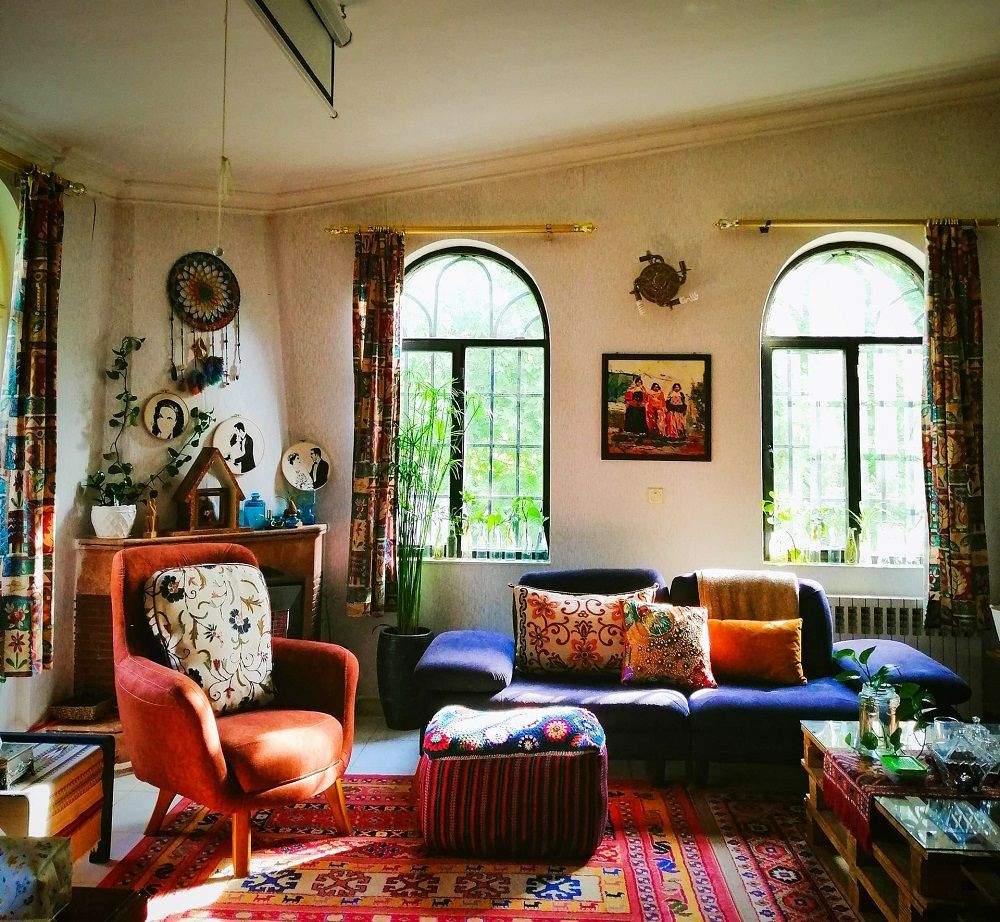
Bohemian home interior with handmade textiles, vintage accessories and macrame wall hanging

Image credit: Pooky

Bohemian style is perhaps the one interior design direction where the things you have collected over time genuinely belong. Vintage rugs, handmade pottery, macrame wall hangings, embroidered cushions, patchwork quilts, and objects brought back from travel all sit naturally within this aesthetic because the style values individuality and story over newness and uniformity.

Not sure where your style sits?

Take our free Interior Design Style Quiz and find out in under five minutes. From bohemian and eclectic to minimalist and Japandi — discover the style that suits how you want to live.

Take the free style quiz 

Charity shops, antique markets, and online platforms such as Vinted and Etsy are all excellent sources for the kind of one-off pieces that give a boho interior its character. When you find something you genuinely love, the style accommodates it. That is one of the most liberating things about decorating bohemian.

Handmade textiles in particular are worth seeking out. A single handwoven wall hanging or a piece of hand-block-printed fabric introduces a quality and irregularity that mass-produced alternatives never quite replicate.

Use Lighting to Build Atmosphere

Lighting in a bohemian interior should feel warm, layered, and slightly magical. Understanding the difference between natural and artificial light helps when planning a layered scheme. Overhead lighting alone is almost never enough. The style calls for multiple light sources at different heights: floor lamps, table lamps, hanging pendants in woven or perforated shades, and candles or candle-effect lights for the warmest, most atmospheric layer.

String lights work particularly well in boho interiors, especially draped over a canopy bed, along a bookshelf, or across a wall. Lanterns, whether hanging or standing, add to the collected quality of the space. Paper or woven pendant shades cast a warm, dappled light that suits the organic feeling of the style far better than a standard fabric drum shade.

Dimmer switches are a worthwhile investment in any room where you want flexibility, but especially in a bohemian living room or bedroom where the evening atmosphere is as important as the daytime appearance.

How to Avoid the Common Pitfalls

The most common mistake with boho interiors is confusing abundance with clutter. Layering and collecting are central to the style, but every element still needs to contribute something. If a shelf is overcrowded to the point where nothing stands out, it reads as mess rather than character. Edit occasionally. Give the things you love room to be noticed.

The second pitfall is buying everything new. A boho interior that has been assembled entirely from a single retailer tends to feel more like a style imitation than a genuine expression of taste. The style is at its best when it is built over time and when the pieces in it mean something to the person who lives there.

About the author

Jade Spain, Interior Designer at House Designer

Jade Spain

Interior Designer

Jade Spain graduated with a First Class degree in Interior Design from De Montfort University. Her work draws on contemporary and Scandinavian influences, with a particular focus on how colour, texture and lighting can transform the feel of a space without overwhelming it.

Meet the team

1000 922 Jade Spain