

Gardens are a canvas for creativity and an extension of one’s personal style. Whether you have a sprawling lawn or a small city balcony, understanding different garden design styles can help you create a space that resonates with your aesthetic sensibilities and functional needs. Let’s explore some popular garden design styles:
Know your Garden Design styles
There are a few distinctive elements that make up a garden design style. Whilst they are so many styles to choose from, we talk about some of the popular ones that are often used in the UK and frequently requested by our House Designer clients. You can also view some of the garden design styles we have designed for our clients – ((garden portfolio))
Cottage Garden Style
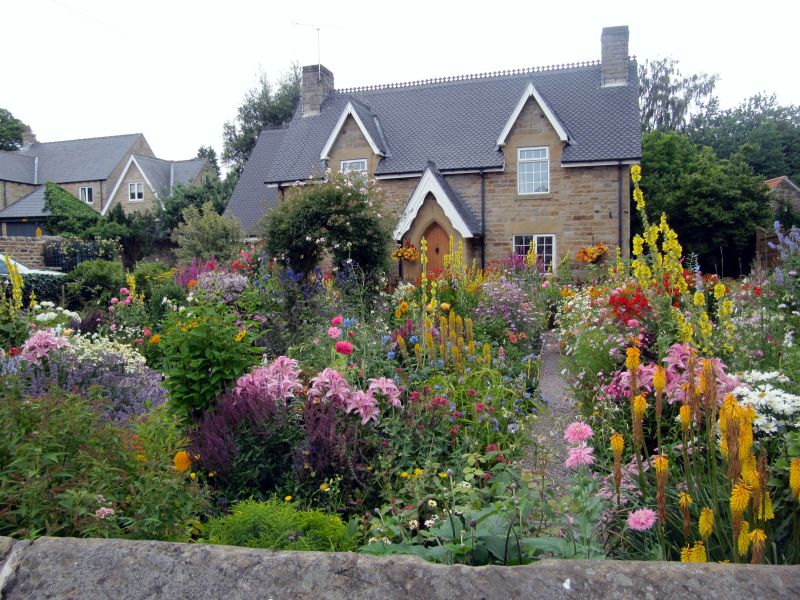
(Image credit: Janet Roberts)
This romantic style puts the plants in the first plan. They are here to dominate and they will do so by charmingly spilling over each other, fulfilling every space, and creating one big, charming ‘’mess’’. It is all about soft edges, bursts of colours, and sweet fragrances that can be surprisingly well translated into the urban setting.
Modern Garden Design: A Blend of Minimalism and Elegance
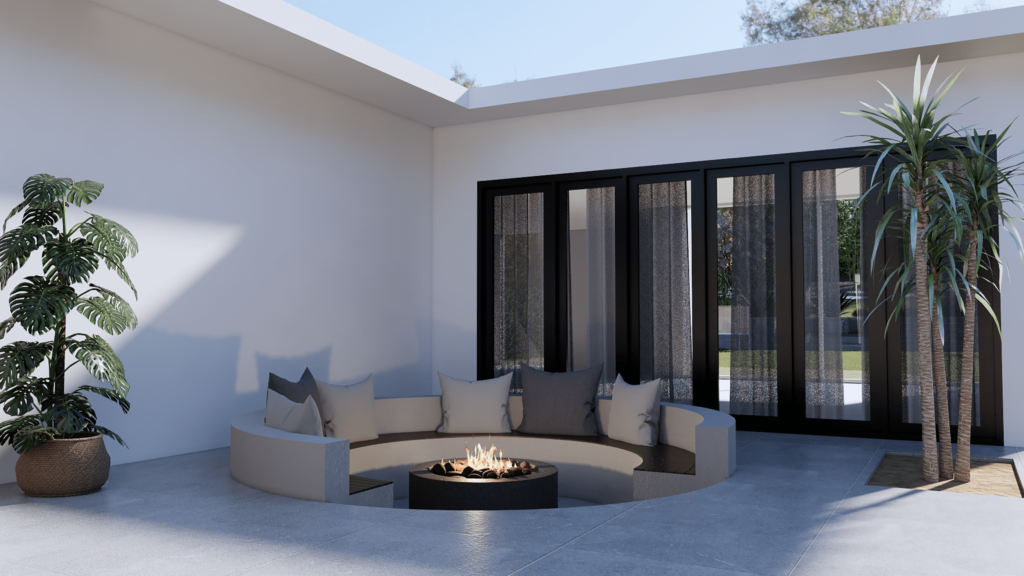
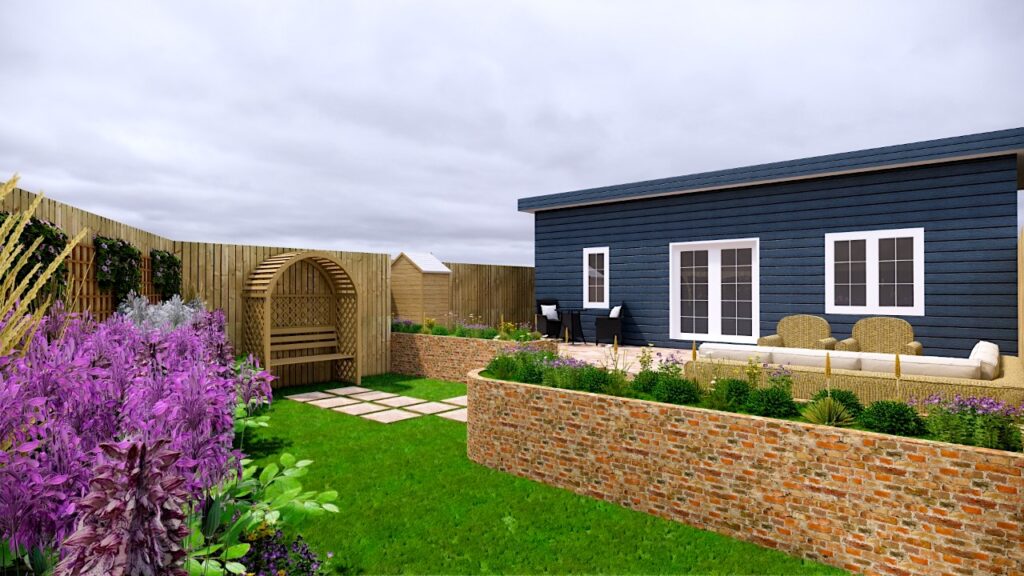
Image credit: House Designer
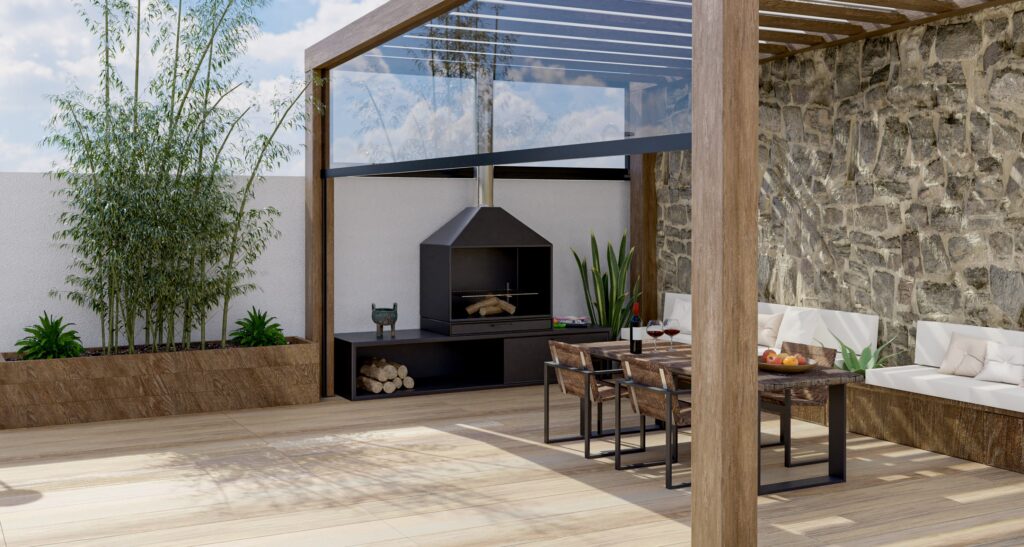
Modern garden design is about creating a space that reflects the contemporary lifestyle, emphasising clean lines, geometric shapes, and a cohesive blend of indoor and outdoor living. This article delves into the essence of modern garden design, offering insights into how it can transform your outdoor space into a serene and stylish retreat.
Modern garden design blurs the lines between indoors and outdoors, with the garden becoming an extension of the living space. This concept is achieved through the use of outdoor rooms distinct areas designed for dining, relaxing, or entertaining. The use of decking, patios, and outdoor kitchens facilitates this indoor-outdoor flow, allowing for a seamless transition between spaces.
English Garden Style
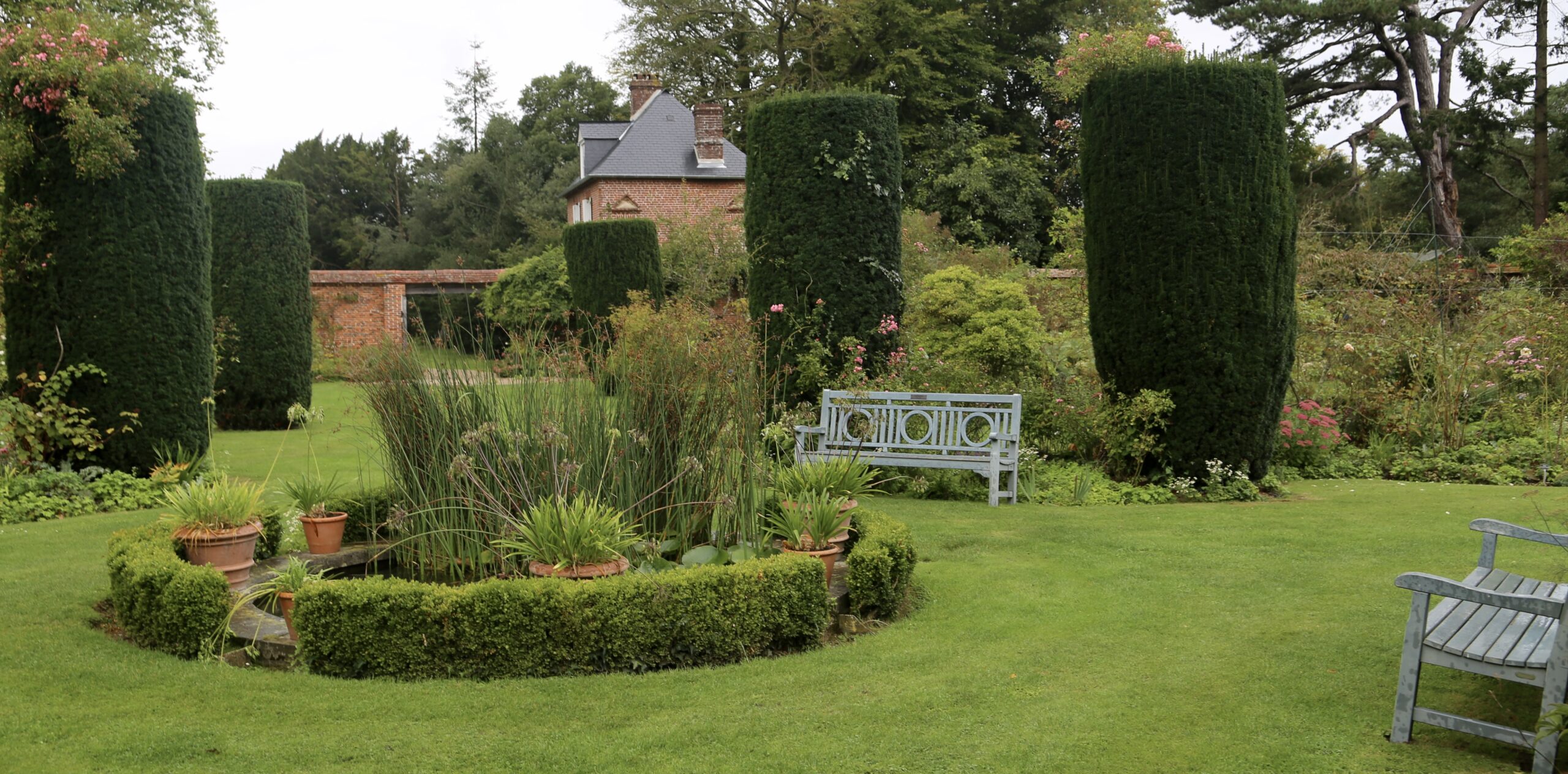
Reminiscent of the picturesque landscapes depicted in classic British literature, the English garden style is known for its lush, romantic feel. It features rolling lawns, mixed borders of flowers, shrubs, and trees, and often includes elements such as rose gardens and water features. The style emphasises natural beauty and a seamless blend with the surrounding landscape.
(Image credit: JR P)
Formal Garden Style
Inspired by classical Roman and French gardens, the formal garden style is characterised by symmetry, straight lines, and geometric shapes. Topiaries, manicured lawns, and neatly trimmed hedges are staples of this style. Formal gardens often feature central fountains or statues and a strict color palette.
A very formal, carefully planned and structured Traditional gardens will often have separate sections with their own function (e.g. vegetable garden, cut-flower garden). Lush lawns take a center stage here, framed with carefully planned herbaceous border, and mixture of often native shrubs and trees.
This is the style that oozes tranquility and familiarity. It is usually seen in larger sized gardens but can be quite successfully implemented on a smaller scale, especially as its style can help with creating an illusion of space, crucial in a smaller setting.
Urban Garden Style –‘’The Outdoor Room’’
(Image credit: Harrington Porter)
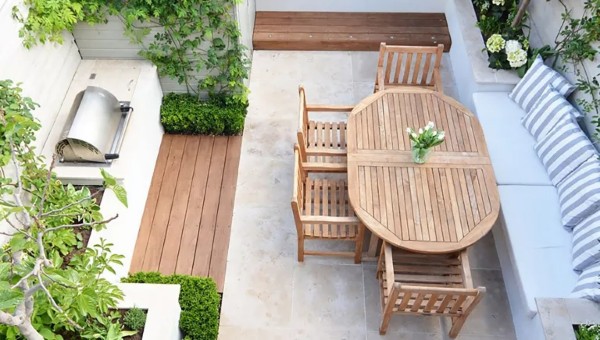
As we aim to expand our living spaces to previously overlooked and underutilized outdoor areas, this style has gained popularity in recent times. It’s particularly suitable for urban dwellings where indoor space is limited, and outdoor space is often scarce. Careful planning is essential as every inch of space should be maximised.
This brings the hardscaping part of this design in the prime position and extra attention should be given to it. Successful design should match the house and the immediate interior to ensure the flawless transition between both spaces, creating an outdoor room and therefore enlarging your living space.
Japanese Garden Style
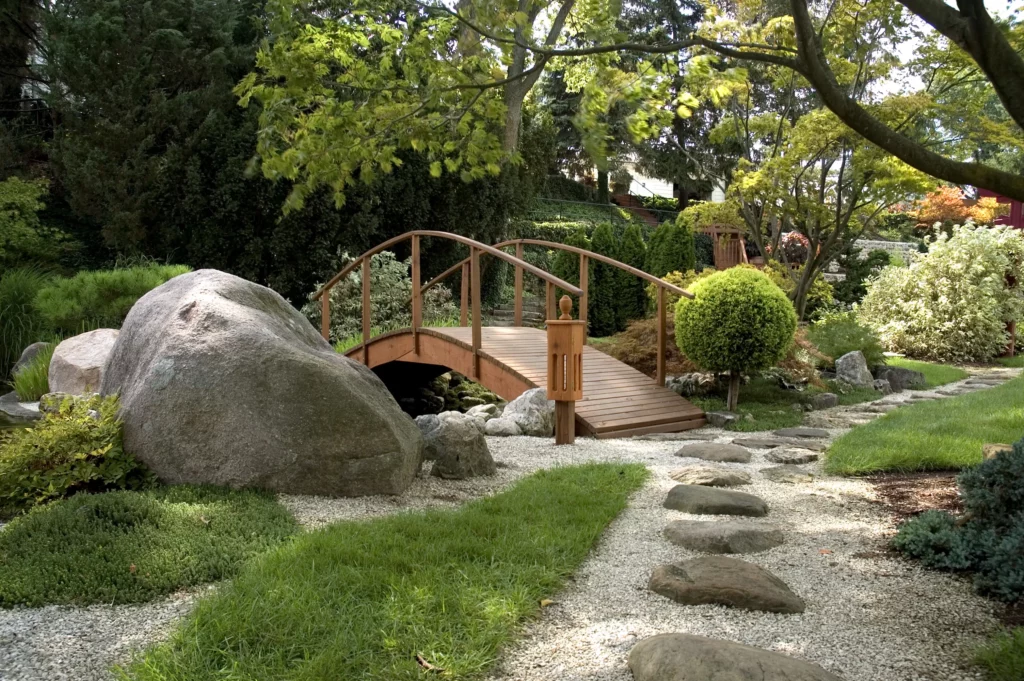
Japanese gardens are a serene and contemplative escape, focusing on balance and harmony. Key elements include water, rocks, and plants, often with a minimalist approach. These gardens are designed to evoke the natural landscape, with elements like koi ponds, stone lanterns, and bridges.
Mediterranean Garden Style
(Image credit: Christopher Lee)
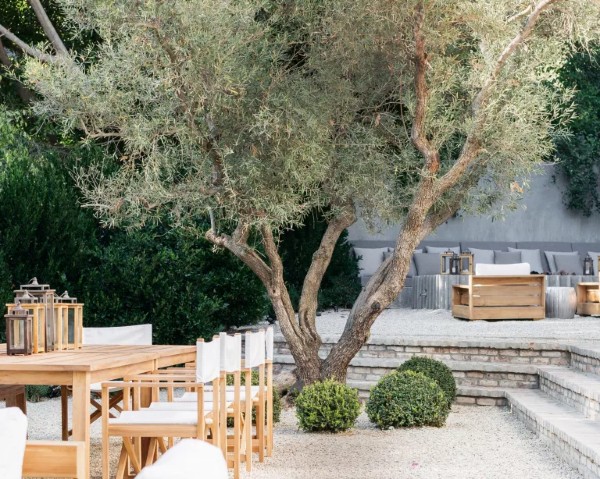
This style reflects the sun-drenched coasts of Spain, Italy, and Greece. Mediterranean gardens are known for their drought-tolerant, sun-loving plants like lavender, sage, and thyme. Key features include terracotta pots, gravel pathways, and an emphasis on outdoor living spaces.
Tropical Style Garden
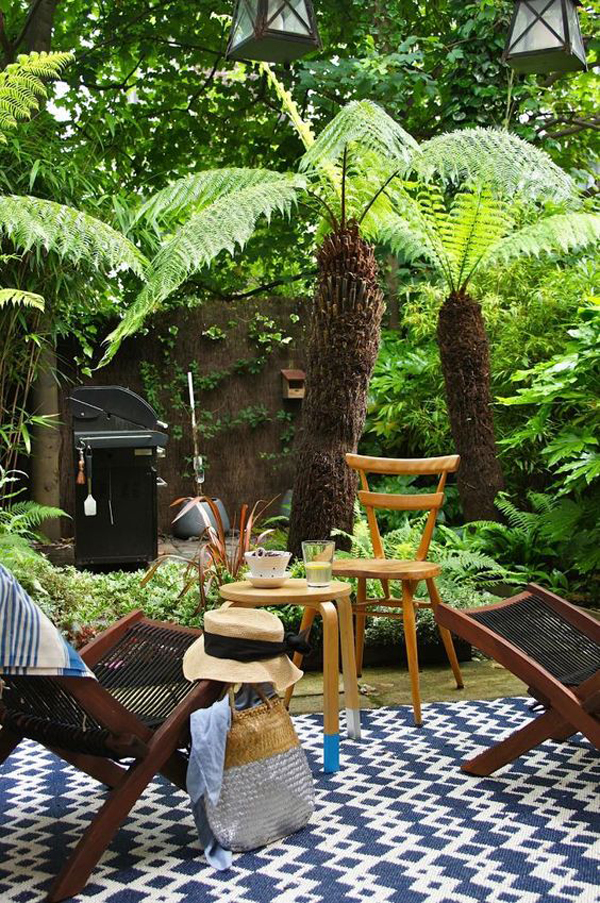
(Image credit: Christine Hanway)
If you are in a need of a sanctuary where you can escape to and forget about the hectic city lifestyle, why not loose yourself in your own little jungle? There are many tropical-looking plants, and even some hardy palms that could help you to achieve this style.
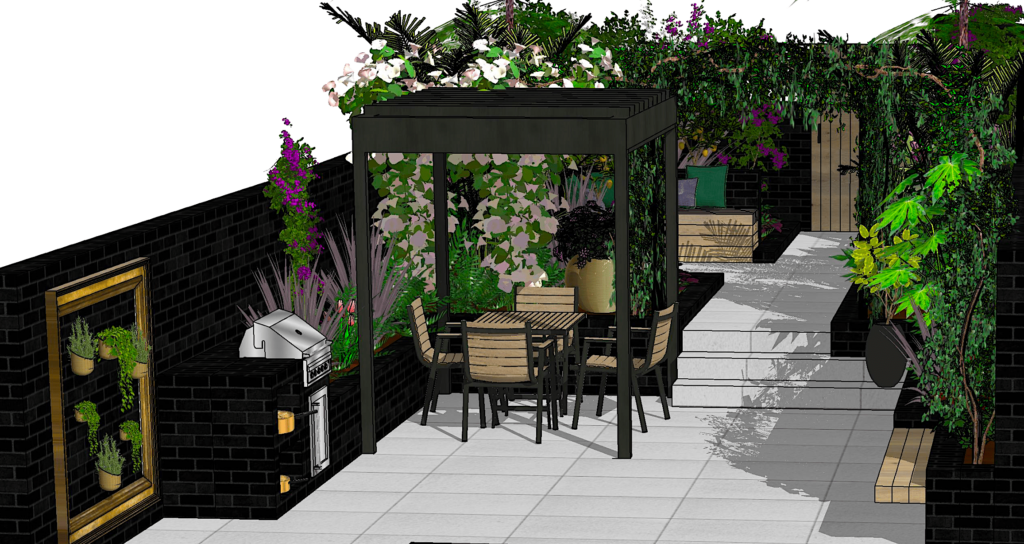
Image credit: House Designer
It is all about layering of lush foliage with strategic bursts of bright colours. An intriguing style that is just a perfect antidote to our hectic lifestyles, and it is no surprise that it is steadily gaining in popularity.
Contemporary Garden Style
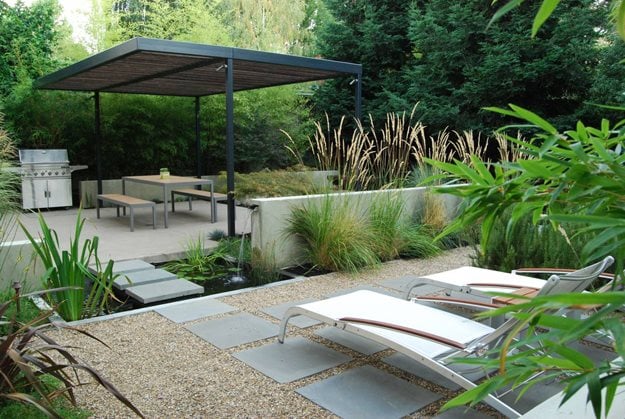
(Image credit: Huettl Landscape Architecture)
Arguably the most popular style that beautifully balances the cohesion of the hardscaping and softscaping. It consist of crisp, clean lines and a play of masses and voids. Simply, it is all about balance and harmony. The focus of this style is on enhancing what is already there and transforming it into an aesthetically functioning garden where the mantra ‘’Less is More’’ truly fulfills its promise.
Wildlife-Friendly Gardens
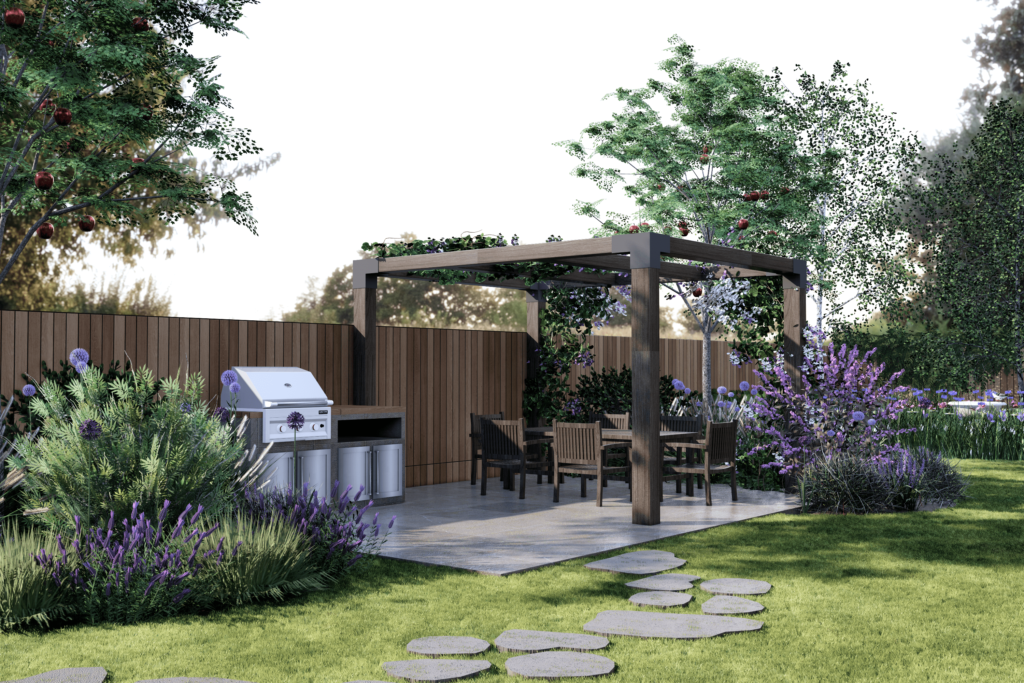
Image credit: House Designer
Designed to attract and support local wildlife, these biodiversity gardens include native plants, natural water sources, and habitats for birds, insects, and other wildlife. The focus is on creating a biodiverse environment that benefits both the garden and the local ecosystem.
Types of Garden Design Styles
Each garden design style has its unique charm and characteristics. When choosing a garden style, consider the local climate, the maintenance you can manage, and, most importantly, your personal taste and lifestyle. A well-designed garden extends your home, offering a tranquil space for relaxation, entertainment, and connection with nature.
Garden Design Services
At House Designer, we offer online garden design service which is extremely popular amongst homeowners all over the UK. Our services include garden design consultancy, bespoke garden design, landscape design, planting plan.
We also offer full-design and build service for homeowners in London and surrounding areas. We hope to roll out this service to more areas soon.
Want to know more about our garden design services? See our Garden Design page