


Interior design is like a beautiful blend of different styles, each with its own unique vibe, guiding principles, and visual appeal. As Interior Design Experts, we discuss the various interior design styles at your disposal. Our guide delves into a selection of popular styles, showcasing their individual traits and the way they can breathe new life into your home.
Scandi Interior Design: Effortless Elegance
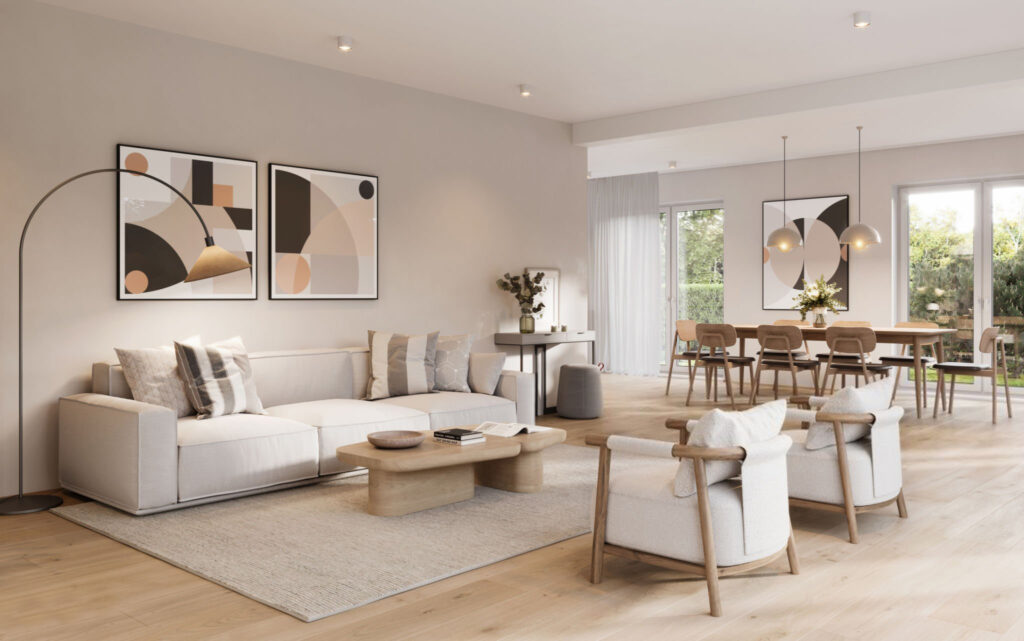
Scandi design, short for Scandinavian, is celebrated for its minimalistic approach, focusing on simplicity, functionality, and a connection to the natural world. This style is characterised by its use of light woods, neutral colour palettes, and an abundance of natural light.
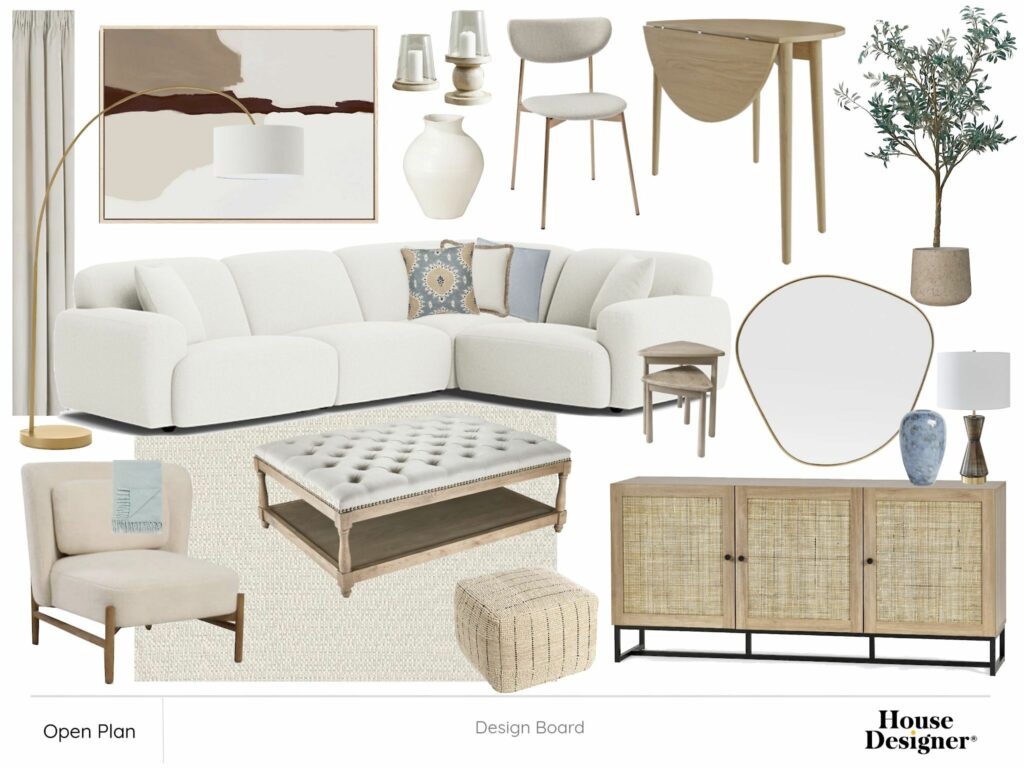
Scandi design is widely embraced for its ability to create calm and serene spaces that are not only beautiful but also practical.
Modern Interior Design: Sleek and Sophisticated
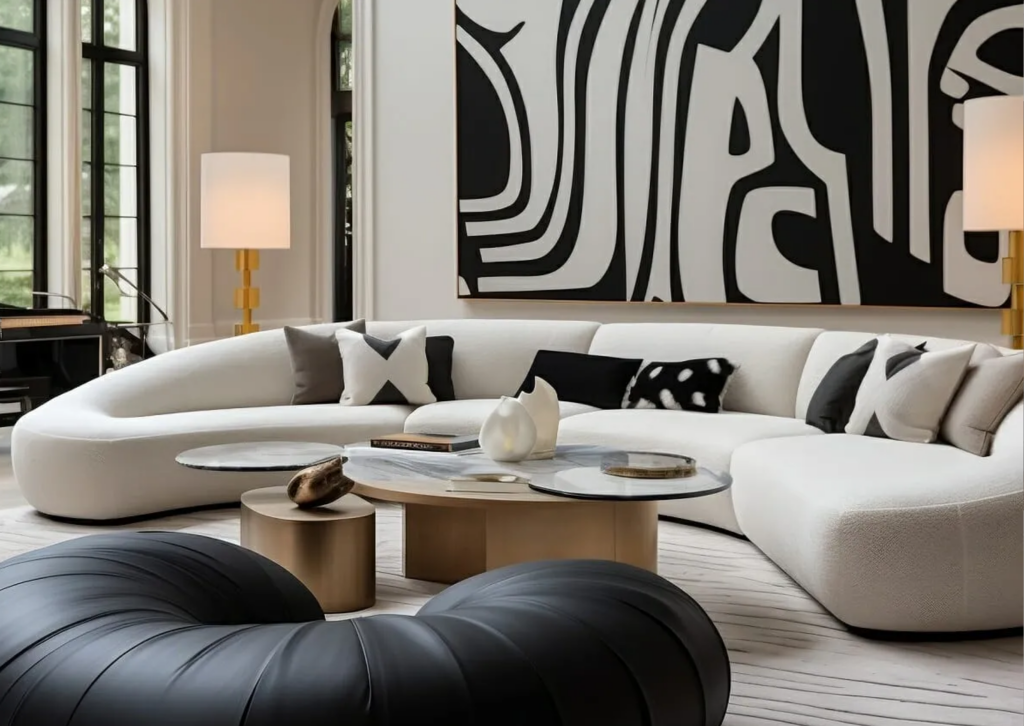
Modern design, rooted in the Modernism movement of the early 20th century, emphasises clean lines, neutral colours, and the judicious use of materials like glass, steel, and concrete. This style embraces simplicity and eschews unnecessary adornments, streamlining spaces for a sophisticated look.
Contemporary Interior Design

Contemporary interior design is all about the here and now, constantly evolving to reflect the latest trends and innovations. Unlike styles that are rooted in a specific era, contemporary design adapts to the current zeitgeist, offering a dynamic and fluid aesthetic.
This style prioritises clean lines, subtle sophistication, and a palette that favors neutrals interspersed with bold colour accents. Contemporary design also embraces environmental sustainability, often incorporating eco-friendly materials and energy-efficient technologies.
Furniture in contemporary spaces leans towards sleek, comfortable, and functional pieces, with an emphasis on form and shape. Textures play a key role, adding depth and interest through fabrics like velvet, silk, and linen. Artwork and accessories are chosen with care to complement the space without overwhelming it, often adding a pop of colour or a touch of whimsy to neutral backgrounds.
Modern vs. Contemporary Design: Understanding the Differences
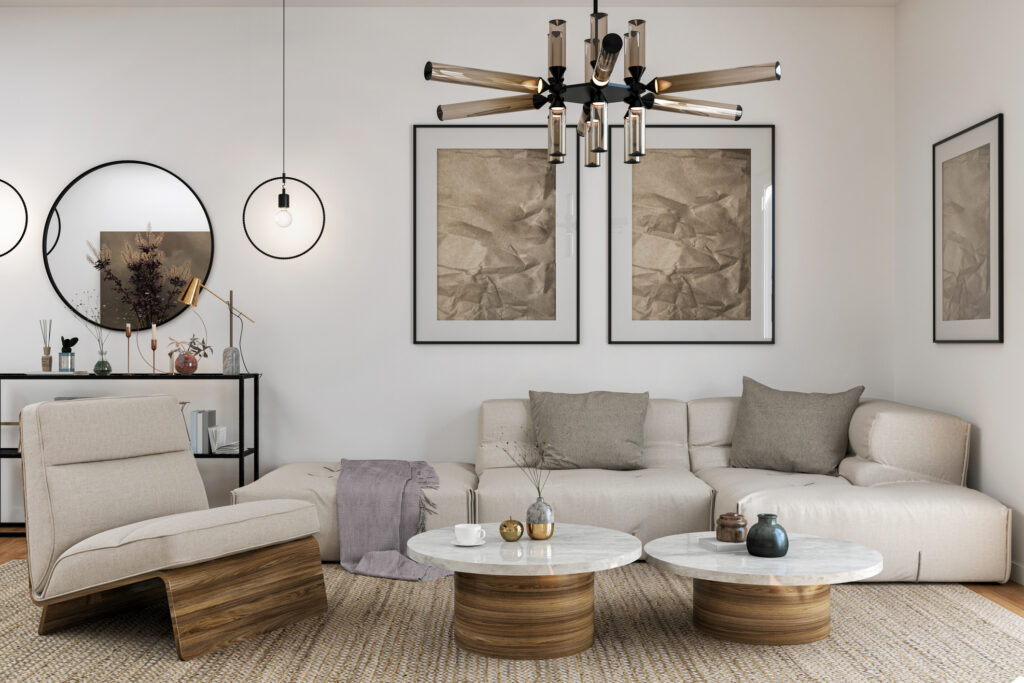
Modern Design harks back to the Modernism movement, starting in the late 19th century and peaking in the mid-20th century. It embodies a specific historical aesthetic, with a focus on simplicity, clean lines, and a neutral colour palette. Modern interior design showcases natural materials like wood, leather, and stone, and maintains a commitment to functionality and the absence of clutter. Iconic furniture pieces, such as those from the Bauhaus or Mid-Century Modern periods, typify this style.
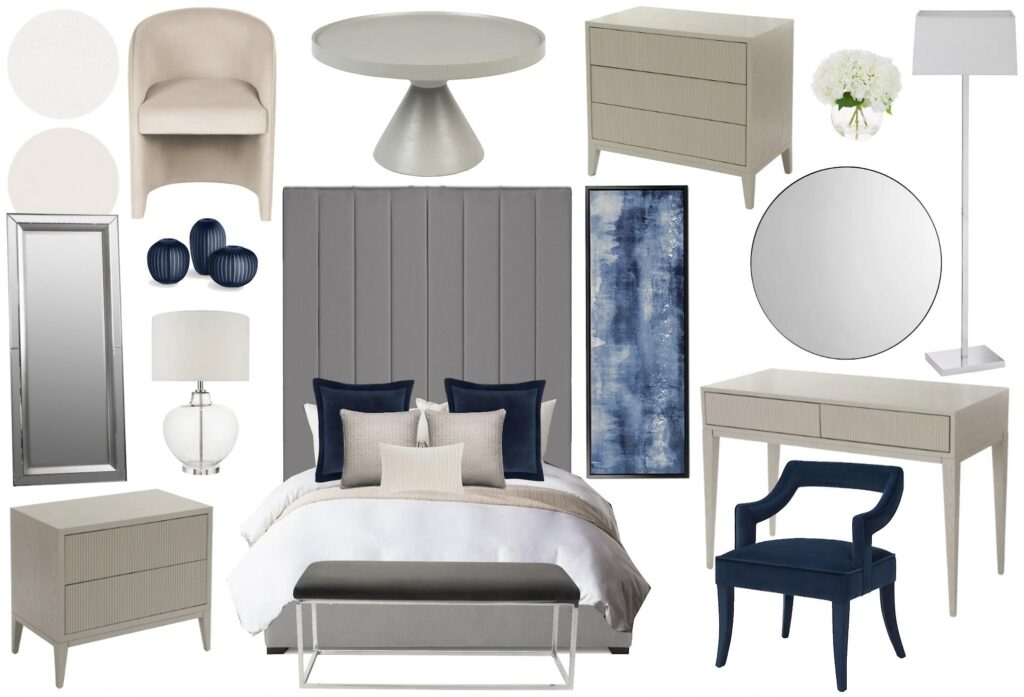
Image credit: House Designer
Contemporary Design, in contrast, is all about the present moment. It’s a fluid and ever-changing style that incorporates current trends, making it more eclectic and harder to pin down. Contemporary interiors might feature elements of other design movements, blending them in a way that feels fresh and current. The style is less about adherence to a strict set of rules and more about innovation and experimentation.
Bohemian Interior Design: Free-Spirited and Eclectic

Bohemian style or Boho style is the epitome of creativity and unconventionality. This style shines with its elaborate patterns, bright colours, and diverse mix of furnishings and decorations, celebrating uniqueness. This creates a cosy, welcoming space that’s deeply personal.
Traditional Interior Design: Timeless Elegance

image credit: Decoraid
Traditional design draws on the past, creating spaces that are warm, inviting, and somewhat formal. Characterised by classic furniture, symmetrical arrangements, and rich colour palettes, this style evokes a sense of familiarity and comfort. Traditional interiors often include detailed woodwork, ornate decorations, and a mix of textures and patterns, offering a sense of continuity and order.
Industrial Interior Design: Urban and Edgy

The industrial design style, inspired by the loft apartments of New York City, celebrates raw, unfinished elements like exposed brick, ductwork, and metal.
It’s a nod to the industrial era, bringing a sense of urban edginess to the space. In the UK, urban homes and converted warehouses frequently embrace this style, blending modern furniture with vintage items to temper the industrial vibe and infuse warmth.
Minimalism: The Art of Less
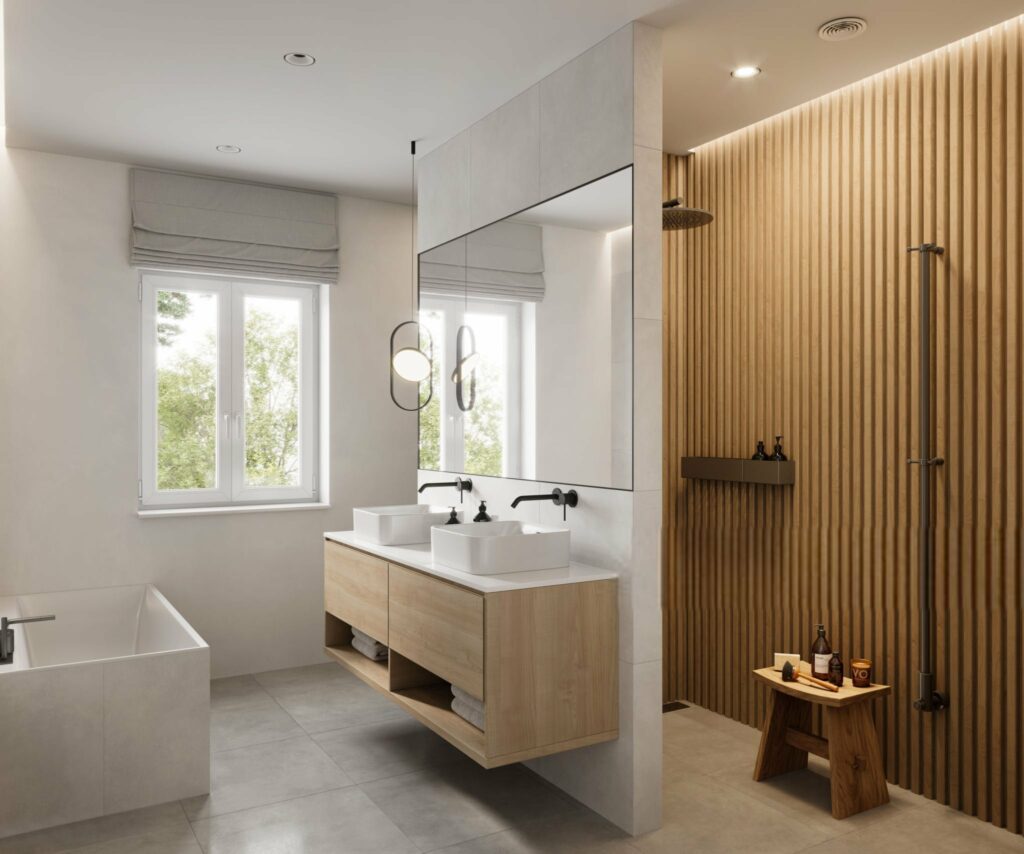
Minimalism takes the concept of “less is more” to heart, focusing on decluttering spaces and highlighting the beauty of simplicity. This style uses a restrained colour palette, streamlined furniture, and minimal decorative items, creating a sense of tranquillity and order. Homeowners who embrace minimalism enjoy spaces that are functional, free of clutter, and aesthetically peaceful.
Japandi: Where Japan Meets Scandinavia
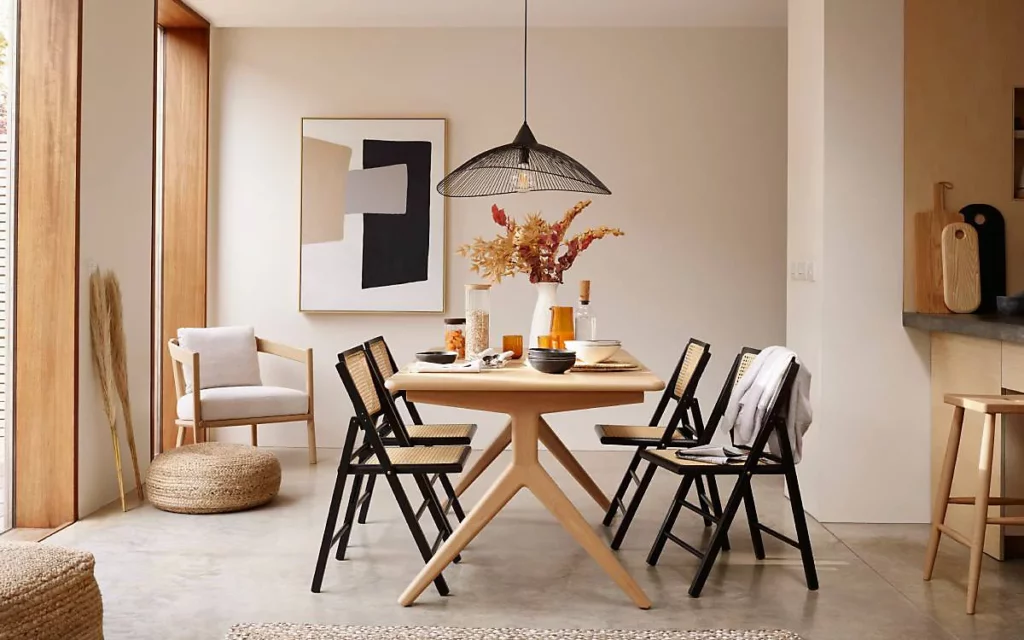
Japandi, a fusion of Japanese and Scandinavian design philosophies, marries the Japanese respect for nature and simplicity with the Scandinavian focus on comfort and minimalism. This style features clean lines, natural materials, and a muted colour scheme, creating serene and harmonious interiors. Japandi interior style has gained popularity for its ability to blend the best of both worlds, offering a minimalist yet cosy aesthetic.
Eclectic Interior Design: Vibrantly Diverse

Image credit: House Designer
Eclectic design is a daring, creative mix of various styles, textures, and colours. It’s defined by the harmonious combination of disparate elements to create a unique, cohesive space. This style encourages personal expression and the freedom to blend periods and styles, from antique to contemporary, in a way that feels intentional and balanced.
Coastal Interior Design: Breezy and Relaxed
Coastal design draws inspiration from the seaside, embodying a light, airy feel with colours and textures that reflect the beach. This style utilises blues, whites, and sandy neutrals, incorporating materials like driftwood and linen to create a relaxed, holiday-like atmosphere.
Interior Design Styles

Image credit: House Designer
The diversity of interior design styles offers endless possibilities for personalising your space. If you’re a fan of modern design’s sleek lines, the warmth of Scandi decor, or Japandi’s unique blend, each style provides a guide for creating a home that reflects your personal taste.
Remember, the most captivating interiors often arise from mixing elements of different styles, making your space distinctly yours.